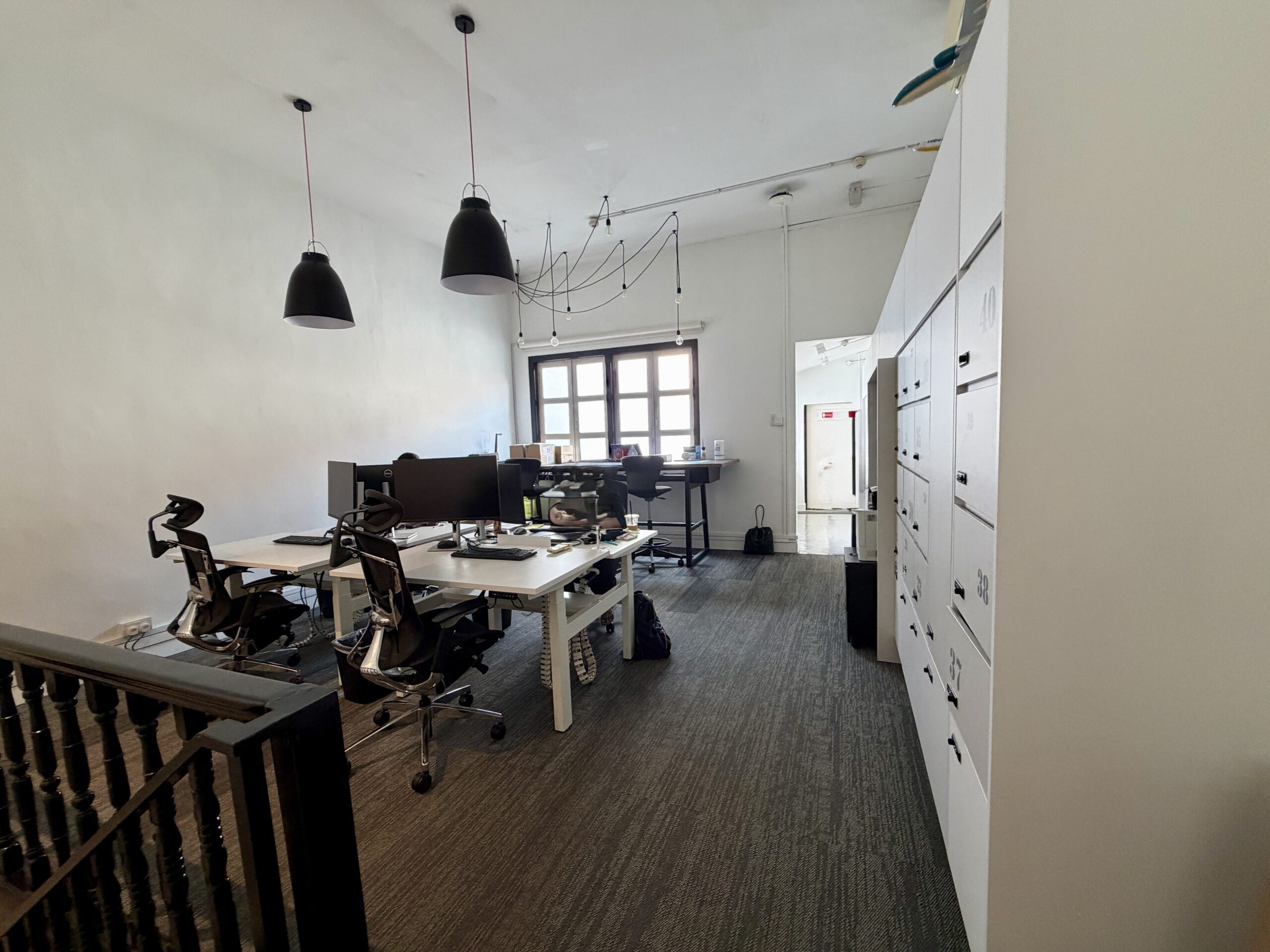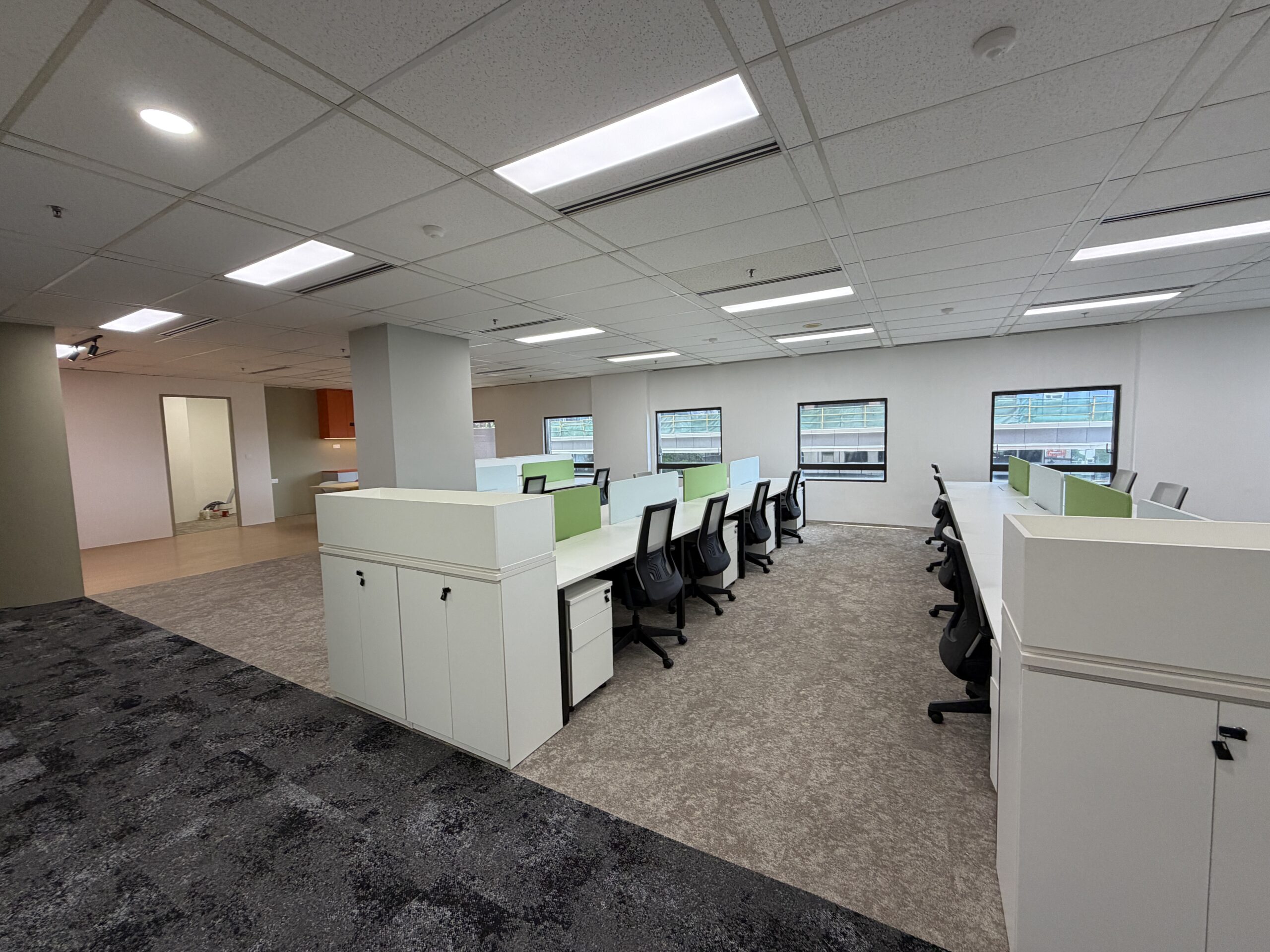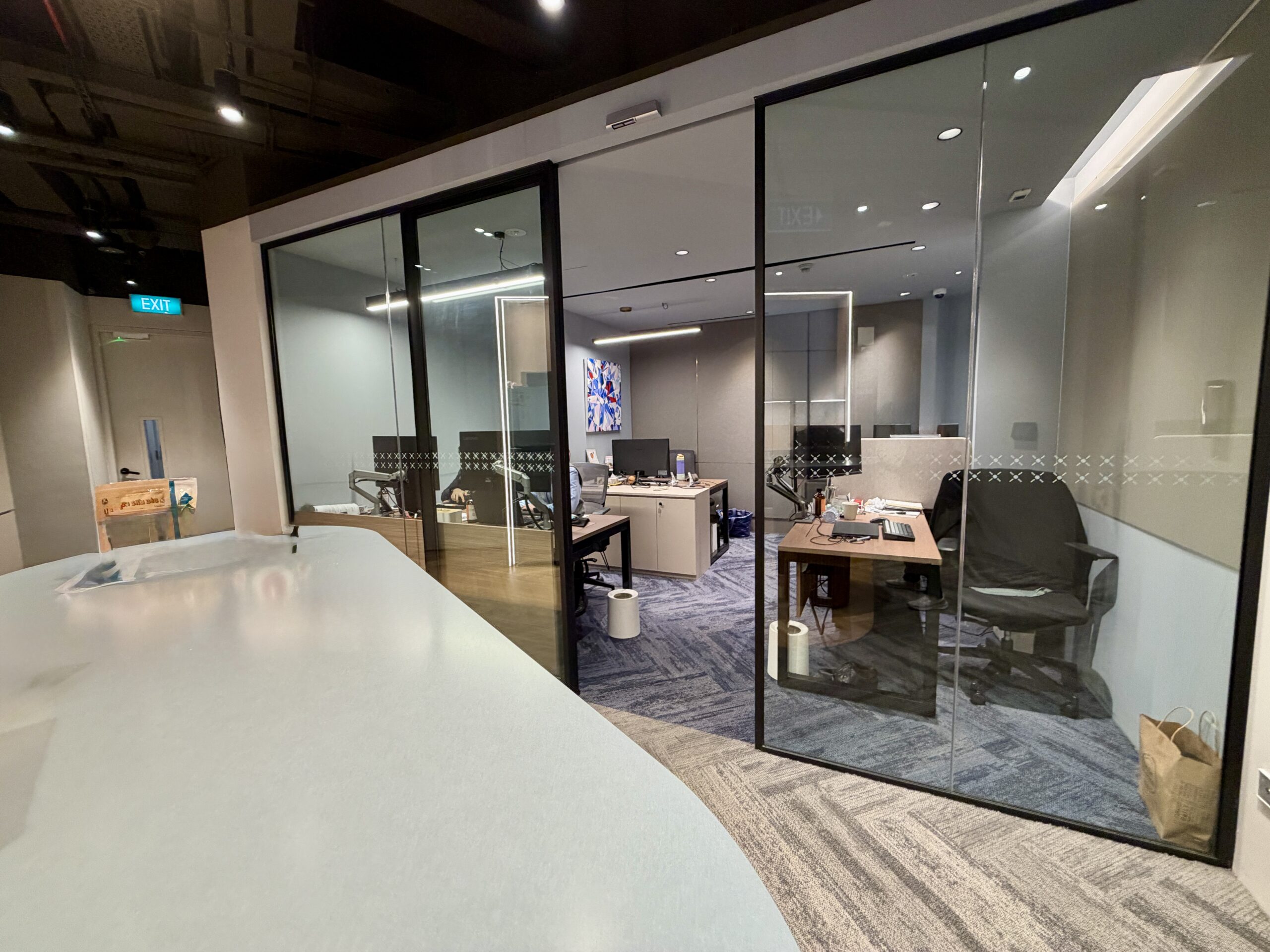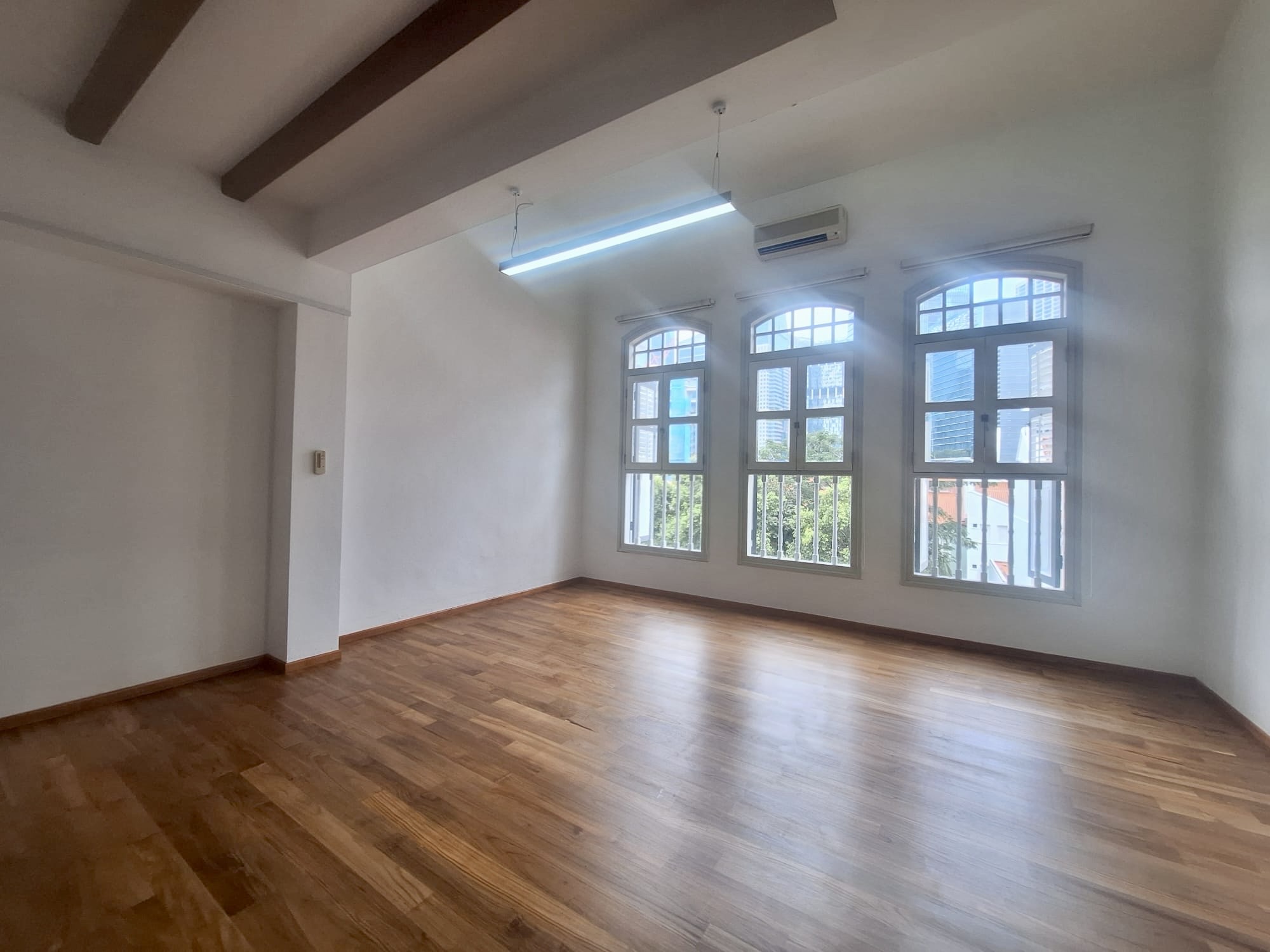
When clients start looking for office space in Singapore, one of the biggest surprises is this:
There are often 100+ available options that technically fit their requirements.
But showing all of them is not helpful.
In fact, it creates confusion, slows decision-making, and makes it harder to compare meaningfully.
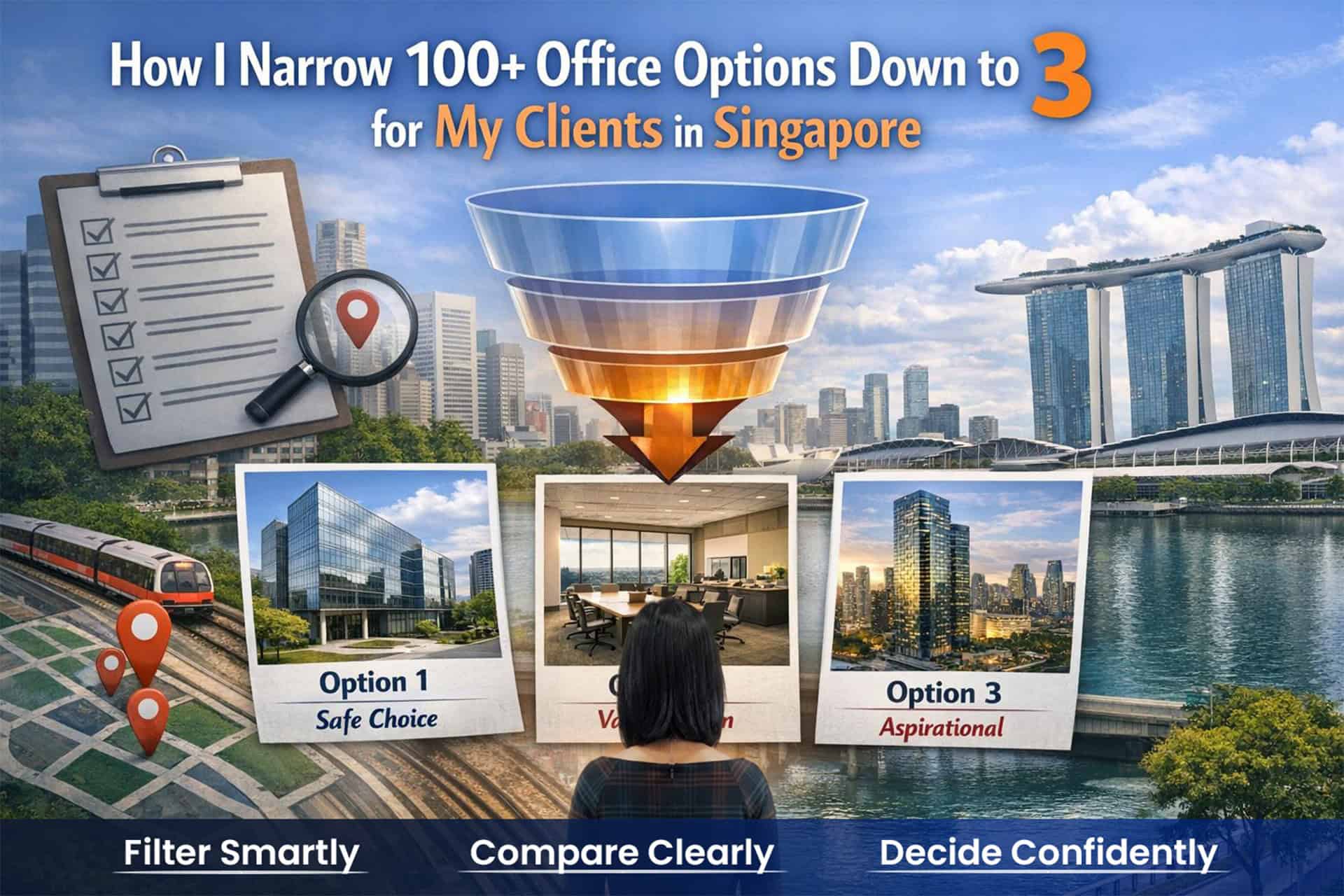
So instead, I usually narrow it down to just 2–3 shortlisted offices.
This isn’t about limiting choice—it’s about making the right choice clearer.
Here’s how that process works.
Step 1: I Clarify What Actually Matters (Not Just What Was Said)
Most clients will start with something like:
- “We need around 2,000 sqft”
- “We want something near MRT”
- “We prefer CBD”
But these are surface-level requirements.
The real work is understanding:
- How the team actually works
- Whether they are growing or stabilising
- How important branding and client perception is
- Whether cost or convenience is the bigger priority
For example, “near MRT” could mean:
- Directly above MRT (non-negotiable), or
- Within 5–7 minutes walk (acceptable)
That difference alone can eliminate half the options.
Step 2: I Filter Out What Doesn’t Fit (Aggressively)
Out of 100+ listings, many are removed quickly.
Common reasons include:
- Inefficient layouts that don’t support the team structure
- Buildings that don’t match the client’s positioning
- Units that require heavy renovation when the client prefers fitted space
- Locations that look good on paper but are inconvenient in reality
This step is not about finding the best—it’s about removing the unsuitable.
Step 3: I Prioritise Real-World Experience Over Specs
Two offices can have the same size and rent—but feel completely different.
So I look at factors like:
- Arrival experience (lobby, building quality)
- Lift waiting time during peak hours
- Corridor and common area condition
- Natural light and ceiling height
- Overall “feel” when you step into the space
These are things you won’t see in a listing—but clients will feel immediately during viewing.
Step 4: I Balance Trade-Offs (Because No Office Is Perfect)
There is no such thing as a perfect office.
Every option involves trade-offs:
- Better location vs higher rent
- Larger space vs less central
- Fitted unit vs limited flexibility
- Prestigious address vs daily convenience
Instead of finding a “perfect” office, the goal is to find the right compromise for the business.
Step 5: I Select 2–3 Offices That Represent Different Directions
Rather than showing similar units, I usually shortlist:
- One “safe” option (ticks most boxes)
- One “value” option (better space or cost efficiency)
- One “aspirational” option (strong branding or location)
This allows clients to:
- Compare meaningfully
- Understand trade-offs clearly
- Make decisions faster
Step 6: I Think About Timing and Availability
In Singapore, good office units—especially fitted ones—move quickly.
So I consider:
- Which units are realistically still available
- Which landlords are responsive
- Whether timelines align with the client’s lease expiry
There is no point showing a perfect office that won’t be available when the client is ready.
Step 7: I Prepare the Client for What They’ll Notice
Before viewings, I often highlight what to look out for:
- Noise levels
- Lift congestion
- Walking distance from MRT
- Layout efficiency
This helps clients evaluate more objectively instead of relying purely on first impressions.
Why I Don’t Show 10 Options
Showing too many offices may seem helpful, but it usually leads to:
- Decision fatigue
- Confusion between similar units
- Difficulty comparing effectively
In most cases, clients make better decisions when they see fewer, more relevant options.
Final Thought
Choosing an office is not about seeing everything—it’s about seeing the right things.
The goal is not to overwhelm clients with choices, but to:
- Filter intelligently
- Compare meaningfully
- Decide confidently
In Singapore’s office market, clarity is more valuable than volume.
Common FAQs
1. Why not show more office options to clients?
2. How many office viewings are ideal?
3. How do you decide which offices to shortlist?
4. Can clients request to see more options?
5. Why do some offices look good online but not in person?
6. Is it better to choose based on price or location?
7. How early should I start searching for office space?
Ideally 3–12 months before lease expiry, depending on office size and requirements.
8. What is the biggest mistake tenants make when viewing offices?
Focusing only on size and rent, while overlooking practical factors like layout efficiency, commute convenience, and daily usability.