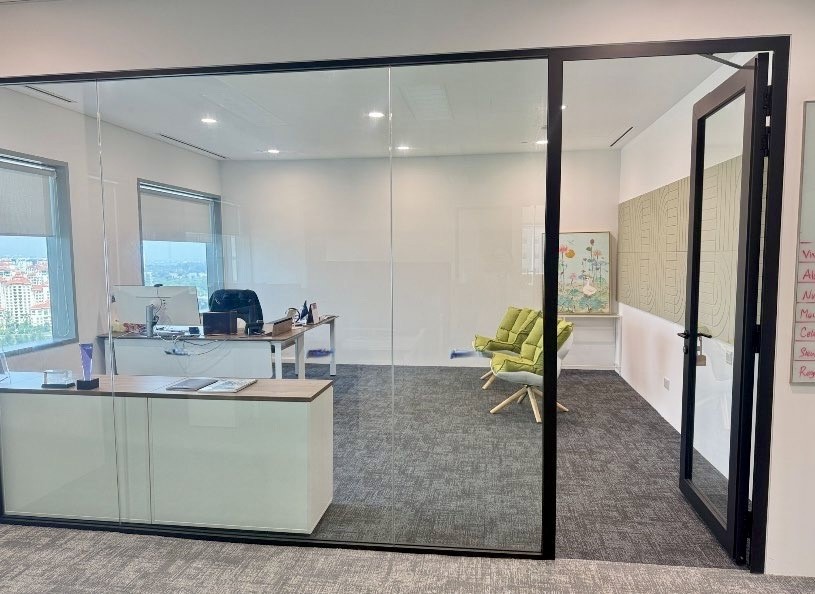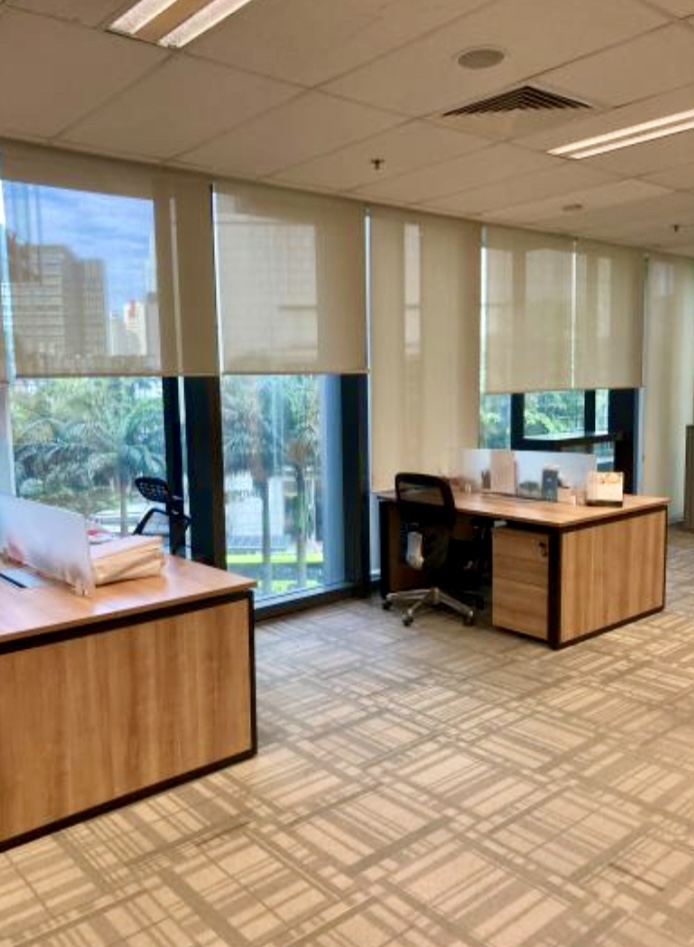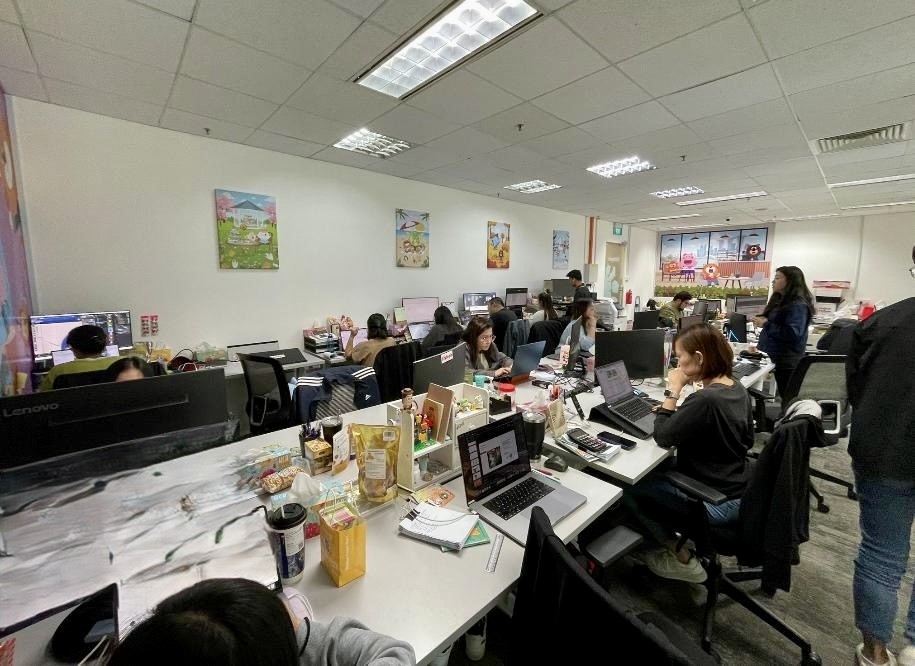
Setting up your first office in Singapore is an exciting milestone. With its stable economy, pro-business environment, and strategic location in Asia, Singapore is often the top choice for overseas companies expanding into the region.
However, many foreign companies unknowingly make costly mistakes when renting their first office here—not because they are careless, but because Singapore’s office leasing practices are very different from other markets.
Here are the most common pitfalls overseas companies face—and how to avoid them.
1. Assuming Office Leases Are Flexible
In many countries, commercial leases allow early termination with notice. In Singapore, most office leases do not.
Once the Tenancy Agreement (TA) is signed, tenants are usually locked in for the full lease term unless:
- A break clause is explicitly stated, or
- The landlord agrees to a replacement tenant
This often catches overseas companies off guard, especially those still testing the market.
2. Underestimating Total Occupancy Costs
Foreign tenants often focus only on headline rent, but in Singapore, the true cost includes:
Service charge
- Property tax (and future increases)
- After-hours air-conditioning
- Utilities
- Insurance
- Reinstatement at lease end
What looks “affordable” on paper can become expensive if these are not budgeted upfront.
3. Thinking LOI Means the Deal Is Done
Many overseas companies believe that once the Letter of Intent (LOI) is signed, everything is confirmed.
In reality:
- LOI = proposal
- Letter of Offer (LOO) = commitment
- Tenancy Agreement = legal obligation
The biggest risks often appear after the LOI, especially at the LOO and TA stages.
4. Overlooking Renovation and Fit-Out Restrictions
Singapore buildings are highly regulated. Renovations must comply with:
- Fire Safety Bureau (FSB) requirements
- Building management rules
- Approved contractor lists
Overseas companies are often surprised by:
- Mandatory use of landlord-appointed contractors
- Renovation deposits
- Long approval timelines
This can delay operations if not planned properly.
5. Choosing the Wrong Office Type for Market Entry
Many overseas companies rush into long-term leases when:
- Headcount is uncertain
- Market testing is still ongoing
In some cases, a shorter lease, fitted office, or flexible space may be more suitable for the first 12–24 months.
6. Misunderstanding Working Hours and Air-Conditioning
Singapore offices typically operate on centralised air-conditioning systems with fixed hours.
If your team works late nights, weekends, or across time zones, after-hours air-conditioning costs can add up quickly if not clarified in advance.
Key Takeaway
Singapore is a fantastic place to set up a regional office—but it is also a landlord-friendly market. Overseas companies that take time to understand local leasing practices, costs, and risks will avoid unnecessary financial strain and operational disruption.
Common FAQs
Usually, yes. Most landlords require a Singapore-registered entity or a locally guaranteed structure before signing the Tenancy Agreement.
Typically, no—unless a break clause is included or the landlord approves a replacement tenant.
No. Rent usually excludes utilities, after-hours air-conditioning, insurance, and reinstatement costs.
From LOI to TA signing, it typically takes 3–6 weeks, depending on negotiations and legal review.
Yes. Many landlords offer partially or fully fitted offices, which can reduce setup time and cost for overseas companies.
Often restricted. Many buildings require the use of approved or landlord-appointed contractors for specific works.
No. Office rent in Singapore is subject to GST, which is payable on top of the quoted rent.
Signing documents too quickly without fully understanding long-term obligations, hidden costs, and exit risks.