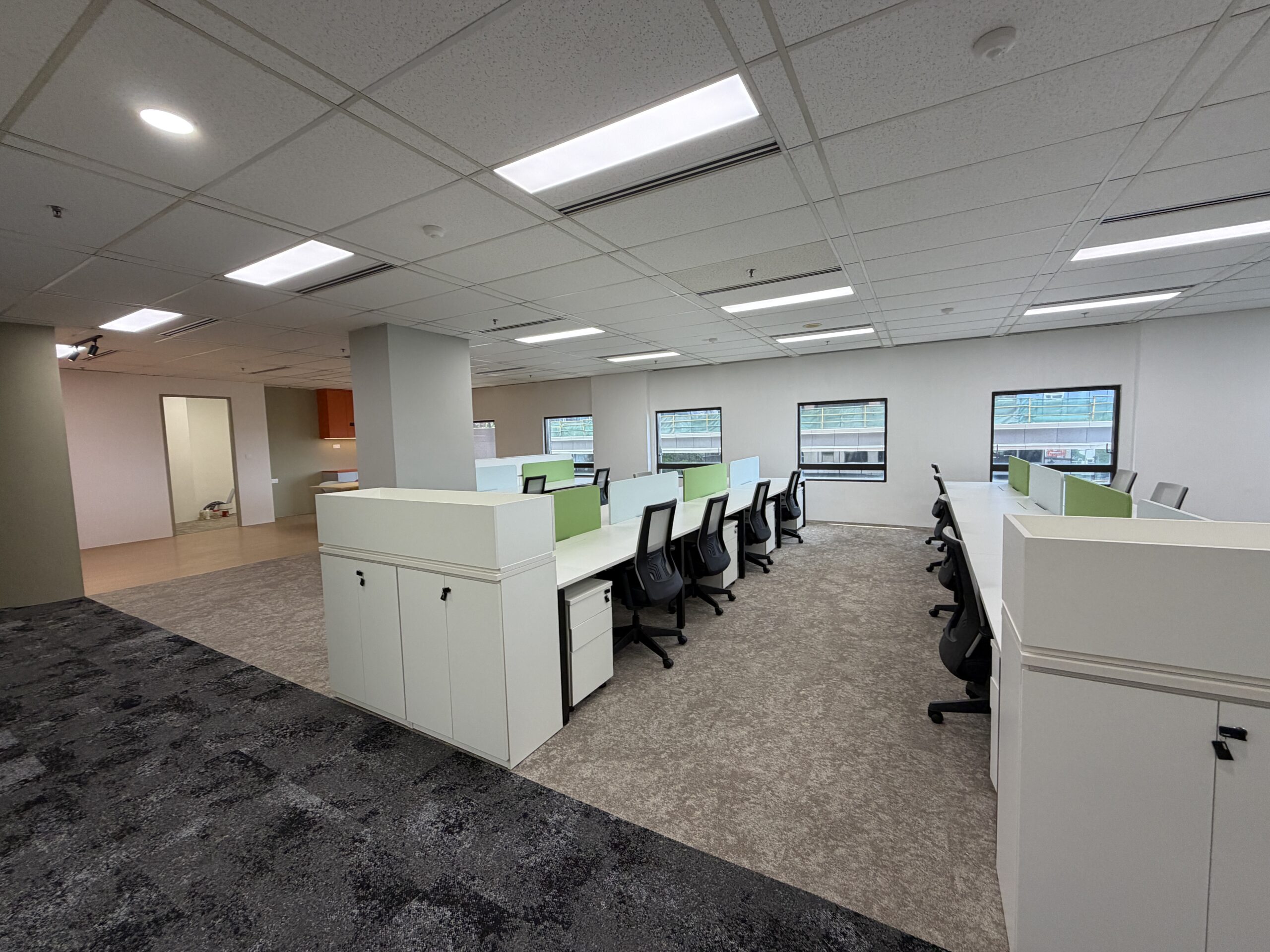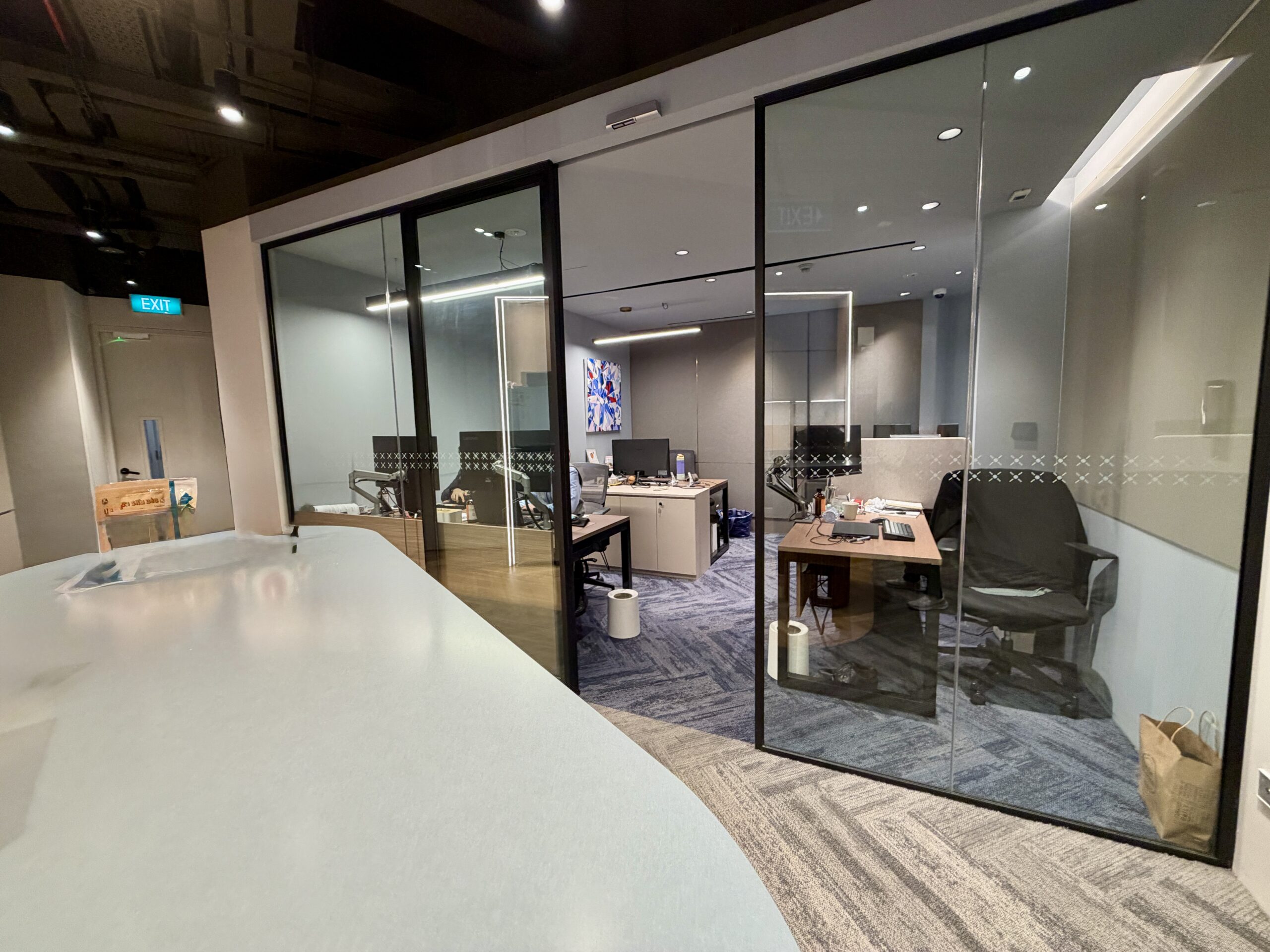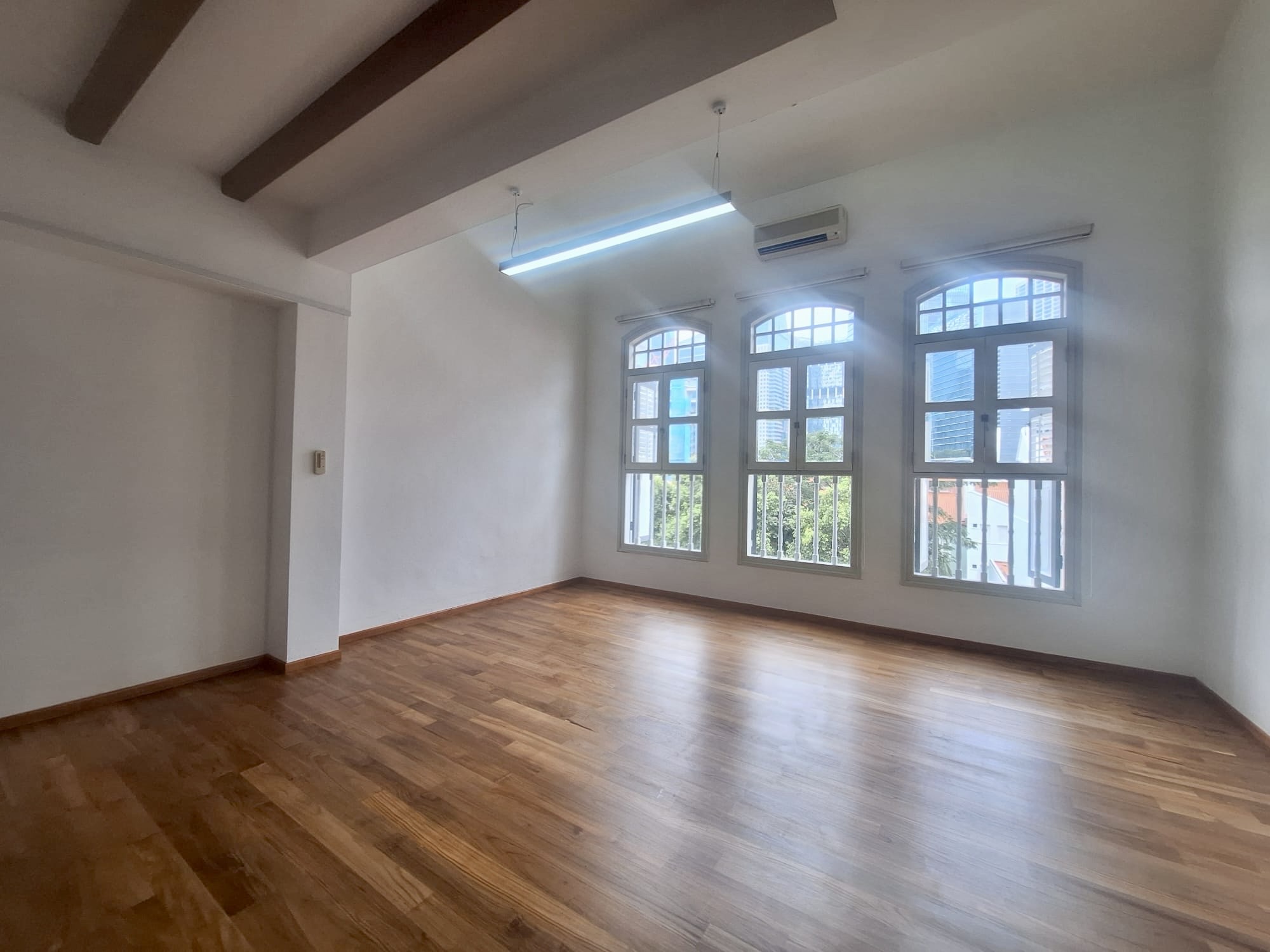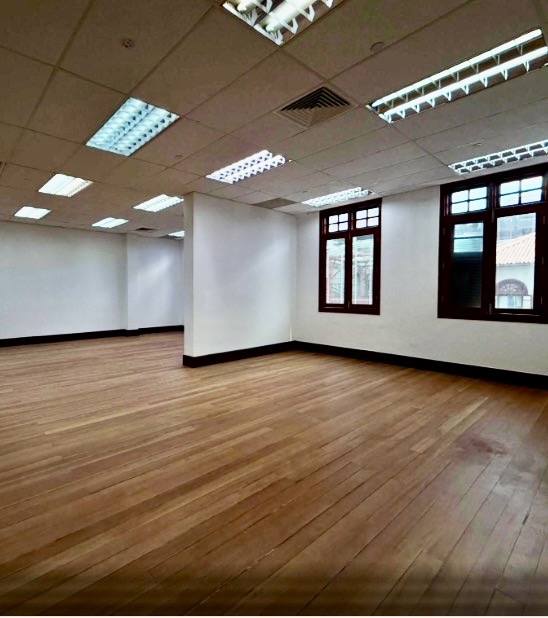
“The office was beautiful. The rental was within budget. The location was perfect. Yet the tenant rejected it within 10 minutes.”
At first, I was puzzled.
The office ticked almost every box.
Good layout.
Reasonable rental.
Convenient location.
Professional image.
So why walk away?
Then I realised something important.
The tenant wasn’t evaluating the office.
He was evaluating the building.
And more importantly, he was evaluating the daily experience his employees would have.
He told me:
“Amy, my team will experience these things every day. The office itself is only part of the equation.”
That conversation changed the way I look at office viewings.
Most tenants inspect the office.
Smart tenants inspect the building.
Wise tenants inspect the daily experience.
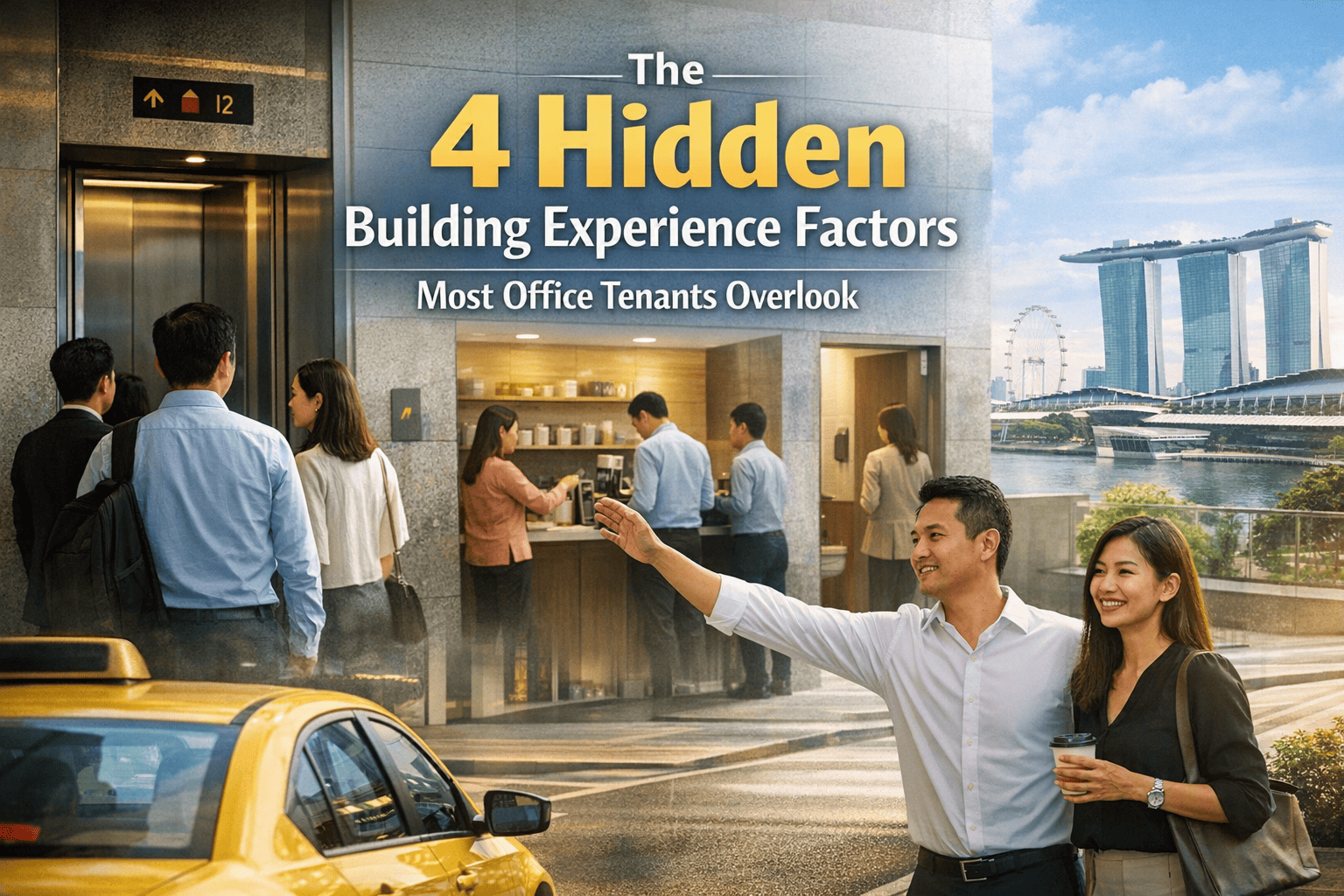
Here are what I call The 4 Hidden Building
Experience Factors.
1. Lift Waiting Time
One of the most overlooked aspects of office leasing is lift performance.
During a viewing, lifts often appear perfectly fine.
However, the real test happens during:
- Morning peak hours (8:30 AM to 9:30 AM)
- Lunch periods
- End-of-day rush hour
In some office buildings, employees can spend several minutes waiting for a lift.
The lift arrives.
It’s full.
They wait again.
And again.
Over time, this creates frustration that affects the entire workplace experience.
Questions to Ask
- How long is the lift wait during peak hours?
- How crowded are lifts during lunch periods?
- Does the building use destination control systems?
- How many lifts serve the office floors?
- Are there dedicated low-zone and high-zone lifts?
Why It Matters
Impact on:
- Employee productivity
- Staff satisfaction
- Visitor experience
- Operational efficiency
A five-minute delay may seem minor.
Multiply that by dozens or hundreds of employees every day and the impact becomes significant.
2. Wet Pantry Facilities
Another commonly overlooked issue is pantry functionality.
Many tenants assume every office building provides suitable pantry facilities.
In reality, the arrangements vary significantly.
Some offices have:
- Internal wet pantries
- Shared common pantries
- Dry pantries only
In certain situations, employees may have limited facilities for washing cups, bowls, and plates.
Questions to Ask
- Is there an internal wet pantry?
- Is there a common wet pantry?
- Where will employees wash cups and utensils?
- Is hot and cold water available?
- Is there sufficient pantry space for the team size?
Why It Matters
Impact on:
- Employee convenience
- Hygiene standards
- Workplace satisfaction
- Daily usability
Small inconveniences repeated every day eventually become major frustrations.
3. Toilet Experience
This is one of the first things many experienced tenants inspect during a viewing.
Why?
Because employees use the toilets every single day.
The condition of the toilets often reflects the overall maintenance standards of the building.
Questions to Ask
- How many cubicles are available per floor?
- Are there queues during peak periods?
- How often are the facilities cleaned?
- Are the toilets modern and well-maintained?
- Are touchless fixtures available?
Why It Matters
Impact on:
- Daily employee experience
- Workplace comfort
- Company image
- Staff morale
A poorly maintained toilet can create a negative impression long before anyone enters the office unit.
4. Grab and Taxi Drop-Off Experience
This is one of the most underestimated factors in office selection.
Yet it directly affects both employees and visitors.
I’ve heard tenants say:
“Our clients always complain they cannot find the drop-off point.”
Others tell me:
“When it rains, everyone gets soaked before reaching the lobby.”
These may seem like minor issues until they occur repeatedly.
Questions to Ask
- Can Grab or taxis stop directly at the building?
- Is there sheltered access from the drop-off point?
- Is there a dedicated passenger drop-off area?
- Does traffic build up during peak periods?
- How far is the walk from drop-off point to the lobby?
Why It Matters
Impact on:
- Client experience
- Employee convenience
- Rainy-day accessibility
- First impressions
For businesses that regularly host clients, this factor is often more important than tenants initially realise.
The Office Is Only Part of the Story
When tenants search for office space, they typically focus on:
- Rental rates
- Square footage
- Layout
- Meeting rooms
- MRT proximity
These factors are important.
But they only tell part of the story.
The reality is that employees interact with the building far more frequently than they interact with the lease agreement.
Every day they experience:
- The lifts
- The toilets
- The pantry
- The arrival process
These experiences shape how people feel about coming to work.
Why This Matters More in Today's Workplace
The workplace has changed significantly.
Many companies now operate under hybrid work arrangements.
Employees spend fewer days in the office than before.
As a result, when employees do come in, businesses want the experience to be worthwhile.
Companies increasingly recognise that workplace quality affects:
- Employee satisfaction
- Recruitment
- Retention
- Productivity
- Company culture
The office is no longer simply a place to sit.
It has become part of the employee experience.
Key Takeaway
The best office is not always the one with:
- The lowest rental
- The largest floor plate
- The nicest reception area
The best office is often the one where employees can:
- Arrive smoothly
- Move efficiently
- Take breaks comfortably
- Leave without frustration
Because an office is more than a physical space.
It is where people spend a significant portion of their lives.
So before signing your next office lease, don’t just inspect the unit.
Inspect the experience.
Your future team will thank you for it.
Common FAQs
1. Why should I check lift waiting times before leasing an office?
Lift congestion can significantly affect employee productivity and daily satisfaction, particularly during peak hours.
2. How can I properly evaluate a building during a viewing?
Visit during peak periods such as morning arrival times and lunch hours. Observe lift traffic, common areas, and building operations.
3. Are pantry facilities really that important?
Yes. Employees use pantry facilities daily, and inadequate facilities can affect convenience, hygiene, and workplace satisfaction.
4. Why do experienced tenants inspect the toilets?
The condition of the toilets often reflects the building's overall maintenance standards and management quality.
5. How important is the Grab or taxi drop-off point?
Very important, especially for companies that host clients regularly. Accessibility affects first impressions and daily convenience.
6. What are the biggest hidden frustrations tenants discover after moving in?
Common complaints include:
- Lift congestion
- Poor pantry facilities
- Toilet queues
- Difficult drop-off access
- Long walks from transport points
7. Should I focus on building quality or office rental?
Both matter. However, the cheapest office may not provide the best employee experience or long-term value.
8. What is the biggest mistake tenants make during office viewings?
Many tenants focus exclusively on the office unit and overlook the building experience that employees will encounter every day.
Bonus Question: What is the fifth hidden factor that experienced tenants often check? Food and amenities within walking distance.
Employees may spend years in the same office location. Easy access to food, coffee, convenience stores, gyms, and daily services can significantly improve the overall workplace experience and employee satisfaction over time.