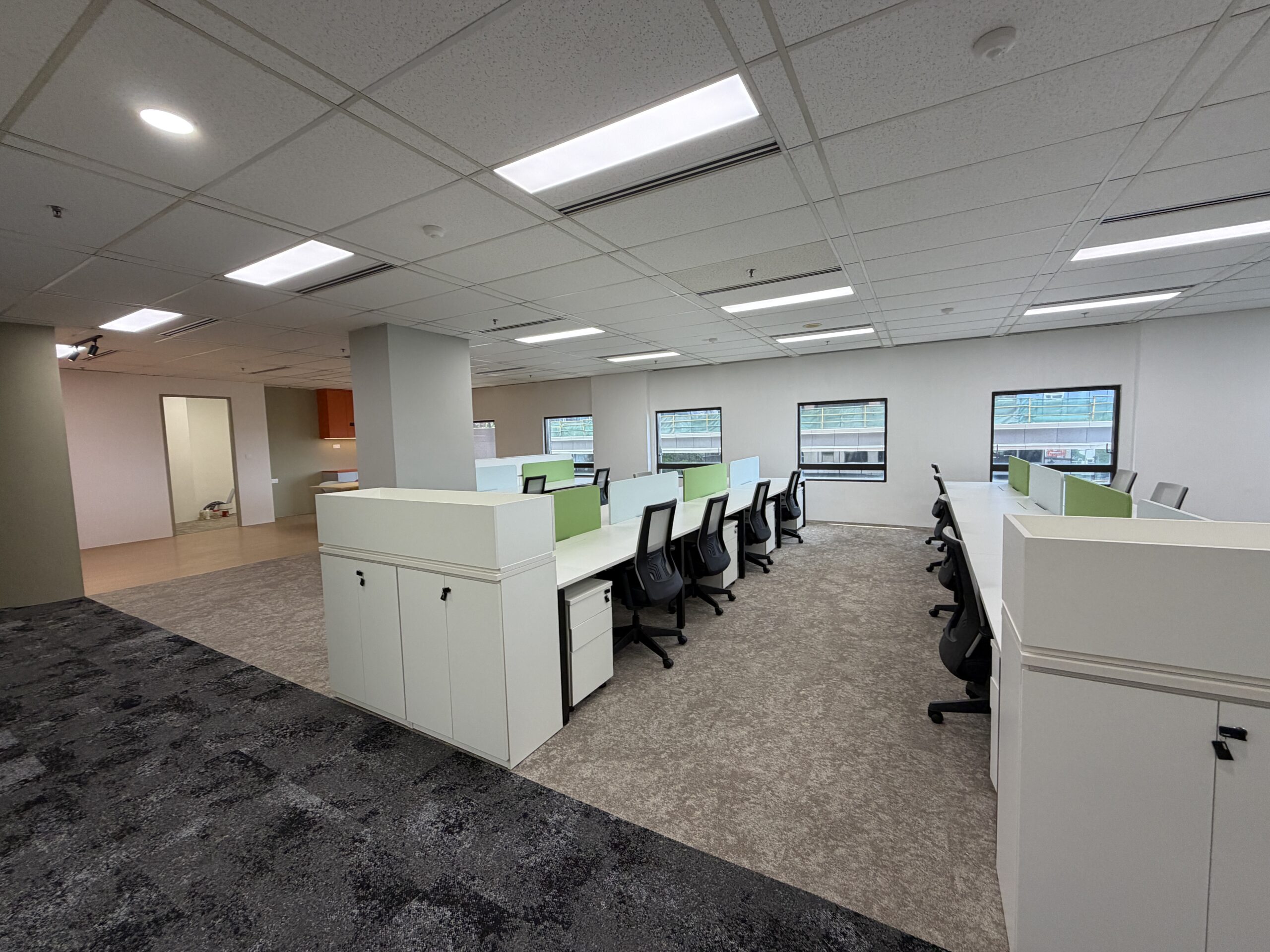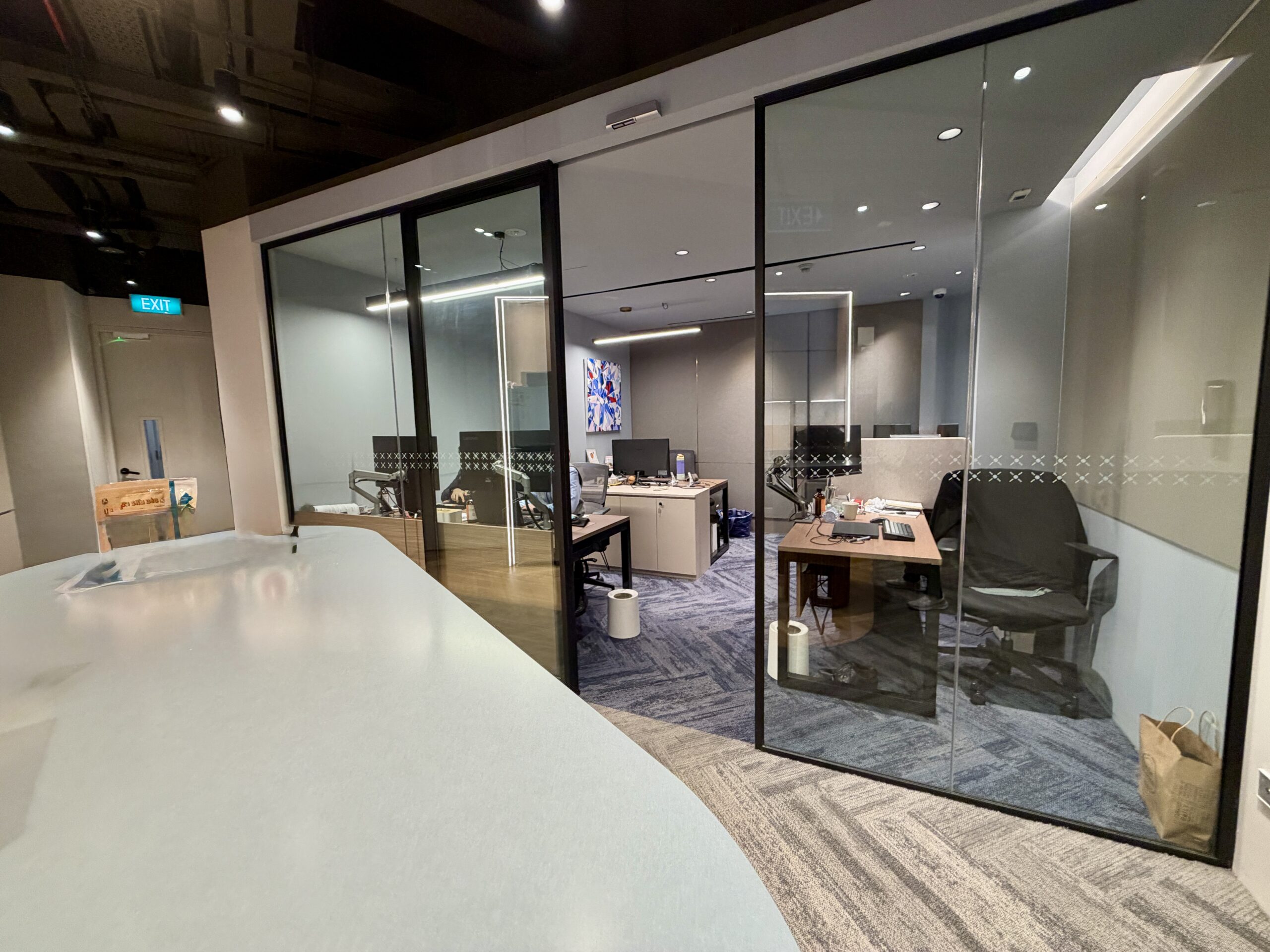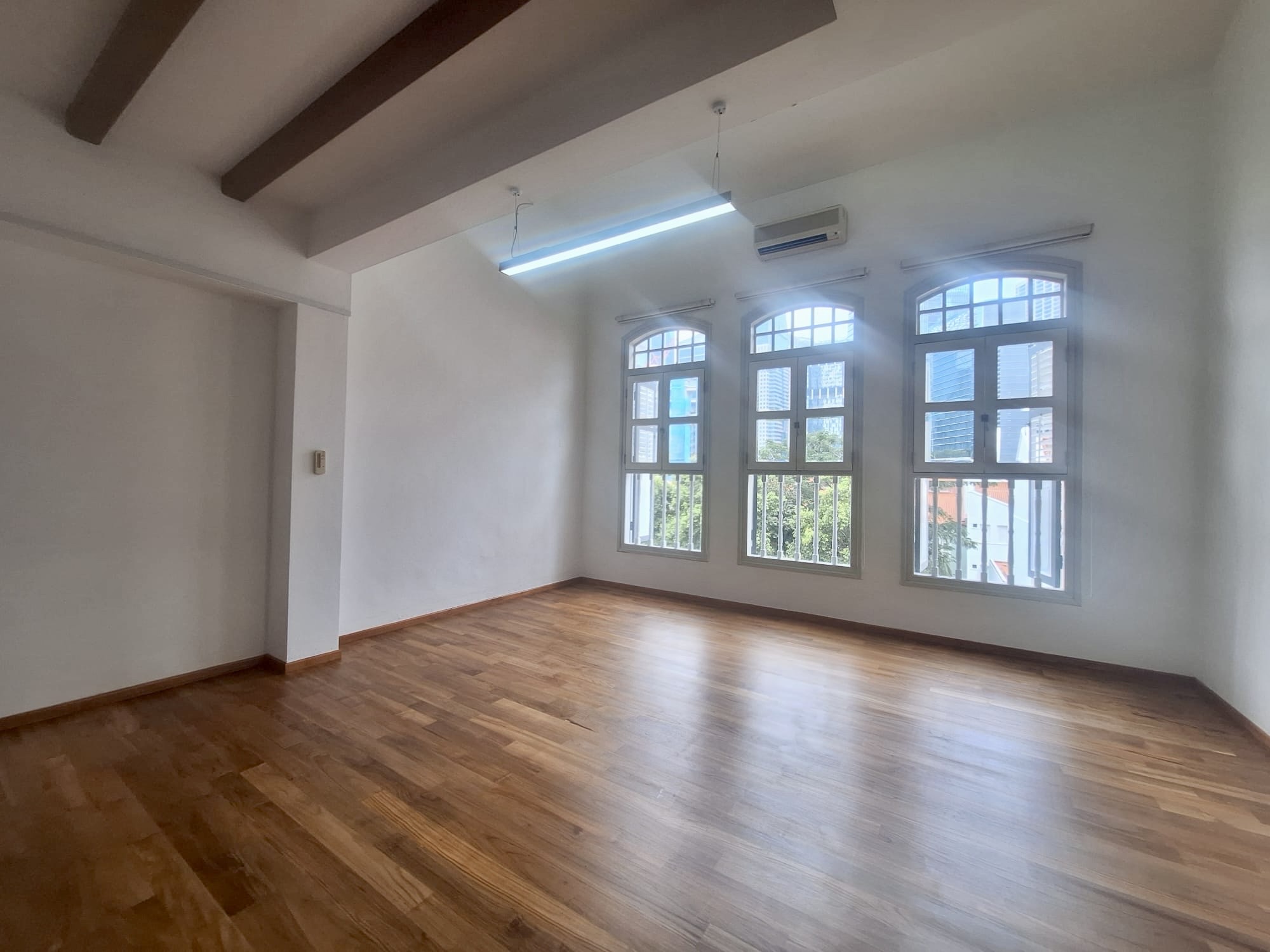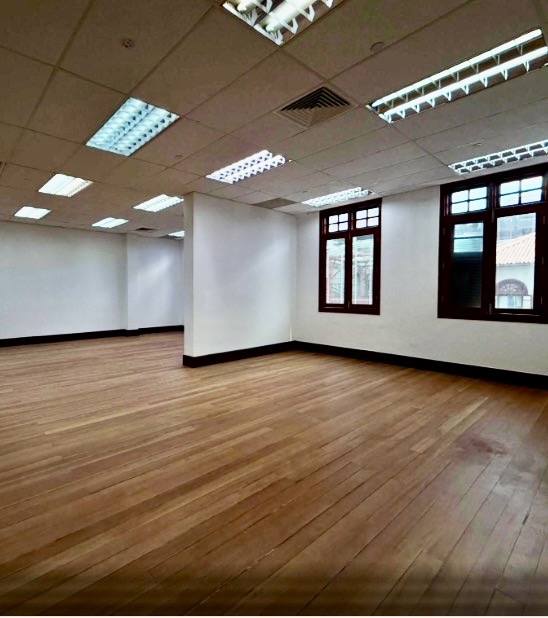
Finding the right office in Singapore isn’t always about identifying the best office.
More often, it’s about choosing between two excellent options.
Perhaps both offices:
- Fit your budget
- Are close to an MRT station
- Have a similar layout
- Offer fitted meeting rooms
- Are located in the CBD
On paper, they look almost identical.
So how do you decide?
Many businesses end up choosing based on rental alone.
However, the cheapest office isn’t always the one that delivers the best long-term value.
Here’s a practical framework to help you compare two office units fairly before making one of your biggest business commitments.
1. Compare the Total Occupancy Cost, Not Just the Rent
Most tenants naturally compare the monthly rental.
But the real cost of occupying an office goes much further.
Consider:
- Monthly rental
- Service charge (if applicable)
- Property tax adjustments (if applicable under the lease)
- GST
- Legal and administrative fees
- Security deposit
- Utilities
- Internet installation
- Renovation costs
- Furniture purchases
- Reinstatement costs at the end of the lease
A slightly higher rental may actually save you significantly if the office is already fitted and requires little renovation.
Instead of asking:
“Which office has the lower rent?”
Ask:
“Which office will cost less over the entire lease period?”
2. Compare Efficiency, Not Just Square Footage
A larger office isn’t always a better office.
Some layouts waste valuable space with:
- Odd-shaped corners
- Long corridors
- Excessive circulation areas
- Structural columns
Meanwhile, a slightly smaller office with an efficient layout may comfortably accommodate the same number of employees.
Ask yourself:
- How many workstations fit comfortably?
- Are the meeting rooms the right size?
- Is there room for future growth?
- Is the pantry practical?
- Does the layout support collaboration?
An efficient layout often delivers better value than simply having more square footage.
3. Compare the Building Experience
Many tenants evaluate the office but forget to evaluate the building.
Your employees will experience the building every single day.
Look beyond the office unit and consider:
- Lift waiting times
- Toilet cleanliness
- Pantry facilities
- Common area maintenance
- Building security
- Visitor registration process
- Grab and taxi drop-off accessibility
- Shelter from the MRT station
These factors may not appear in the brochure, but they have a direct impact on employee satisfaction and client experience.
4. Compare Accessibility
Location isn’t just about having an MRT station nearby.
Ask:
- How many minutes is the walk?
- Is the route fully sheltered?
- Are there multiple MRT lines nearby?
- Is parking convenient?
- Is there easy access for taxis and ride-hailing services?
Also consider your employees.
A location that saves every employee just five minutes each day can add up to hundreds of productive hours over a year.
5. Compare Amenities Around the Building
Employees spend more than eight hours a day at work.
The surrounding environment matters.
Compare:
- Food options
- Cafés
- Convenience stores
- Banks
- Pharmacies
- Fitness centres
- Childcare facilities
- Green spaces for breaks
These amenities improve the overall workplace experience and contribute to employee satisfaction.
6. Compare Flexibility for Future Growth
Your office should support your business not only today, but also tomorrow.
Consider:
- Can the office accommodate additional staff?
- Are neighbouring units available if you expand?
- Is there flexibility to reconfigure the layout?
- Will the office still meet your needs in three years?
An office that supports future growth may save you from relocating sooner than expected.
7. Compare Fit-Out Requirements
Not every office requires the same amount of work before moving in.
Compare:
- Existing meeting rooms
- Manager rooms
- Pantry
- Server room
- Reception area
- Flooring
- Lighting
- Furniture (if included)
A fitted office may allow you to:
- Move in sooner
- Spend less on renovation
- Preserve working capital
Remember that reinstatement costs at the end of the lease can also be substantial, often ranging from $25 to $30 per square foot, depending on the scope of reinstatement works.
8. Compare the Landlord and Building Management
The office itself is only part of the leasing experience.
The landlord and building management also play an important role.
Questions worth asking include:
- Are maintenance issues resolved promptly?
- Is building management responsive?
- Are renovation approvals efficient?
- How well is the building maintained?
A responsive landlord and professional building management team can make your tenancy experience much smoother over the lease term.
9. Compare the Overall Employee Experience
Ultimately, your employees will spend a significant portion of their week in this office.
Ask yourself:
- Will they enjoy coming to work?
- Is the environment comfortable?
- Does the office encourage collaboration?
- Will clients leave with a positive impression?
Sometimes the office with the slightly higher rent delivers a significantly better workplace experience.
Create a Simple Comparison Scorecard
When comparing two offices, try scoring each one from 1 to 10 across these categories:
|
Criteria
|
Office A
|
Office B
|
|---|---|---|
|
Total Occupancy Cost
|
|
|
|
Layout Efficiency
|
|
|
|
Building Quality
|
|
|
|
MRT Accessibility
|
|
|
|
Food & Amenities
|
|
|
|
Employee Experience
|
|
|
|
Future Expansion
|
|
|
|
Fit-Out Required
|
|
|
|
Building Management
|
|
|
|
Overall Value
|
|
|
Looking at the overall picture often makes the better choice much clearer.
Key Takeaway
When two office units look equally attractive, don’t rush into a decision based solely on rental rates.
Instead, compare:
- Total occupancy cost
- Building quality
- Employee experience
- Accessibility
- Amenities
- Future flexibility
- Fit-out costs
- Building management
The best office isn’t necessarily the one with the lowest monthly rent.
It’s the one that provides the greatest overall value throughout the entire lease period.
A thoughtful comparison today can save your business significant costs, operational challenges, and employee frustrations in the years ahead.
Frequently Asked Questions (FAQs)
1. Should I always choose the office with the lower rental?
Not necessarily. A lower rental may be offset by higher renovation costs, poor layout efficiency, or greater operational inconvenience. Consider the total occupancy cost instead.
2. What is the biggest mistake tenants make when comparing offices?
Many businesses compare only rental rates and floor area, while overlooking factors such as building quality, employee experience, accessibility, and future expansion potential.
3. Is a fitted office worth paying a slightly higher rental?
In many cases, yes. A fitted office can reduce renovation costs, shorten the move-in timeline, preserve working capital, and minimise project management.
4. How important is layout efficiency?
Very important. A well-designed 2,500 sq ft office can sometimes accommodate the same number of employees as a poorly designed 3,000 sq ft office.
5. Should I visit the building more than once?
Yes. If possible, visit during different times of the day, especially during the morning rush, lunchtime, and evening peak periods. This gives you a better understanding of lift waiting times, building traffic, and the overall daily experience.
6. How do I compare employee experience between two offices?
Look beyond the office unit and consider:
- Lift waiting times
- Toilet cleanliness
- Pantry facilities
- Food options nearby
- MRT accessibility
- Natural lighting
- Common area maintenance
- Overall workplace environment
7. How early should I start comparing office options?
Ideally, begin your office search 3–12 months before your lease expires. Larger office requirements generally require earlier planning, allowing sufficient time to evaluate multiple options, negotiate lease terms, and plan your relocation.
8. What is the most important question to ask before choosing between two offices?
Instead of asking, "Which office is cheaper?", ask:
"Which office will create the best long-term value for my business, employees, and clients over the next three years?"
That single shift in perspective often leads to a much better leasing decision.