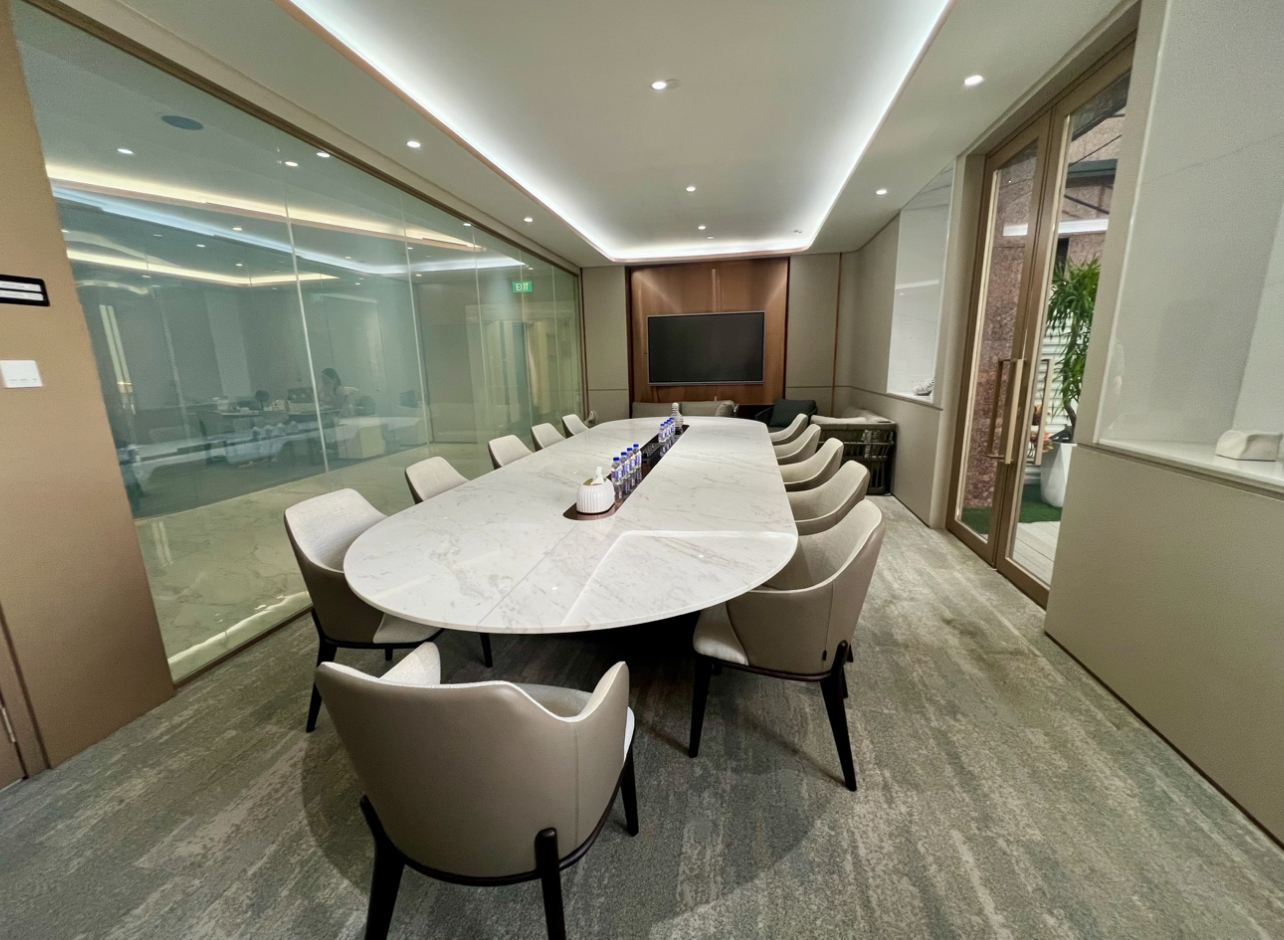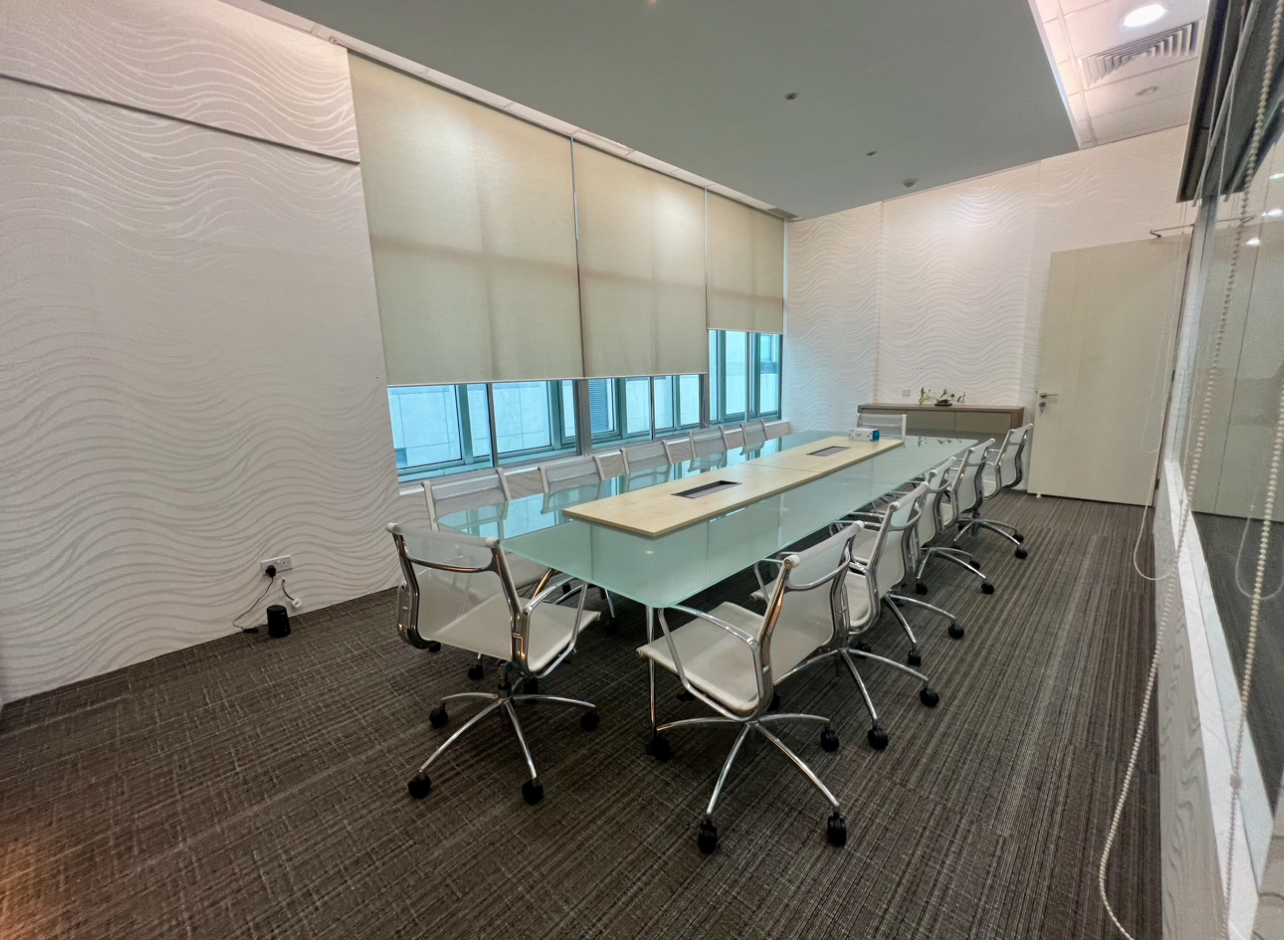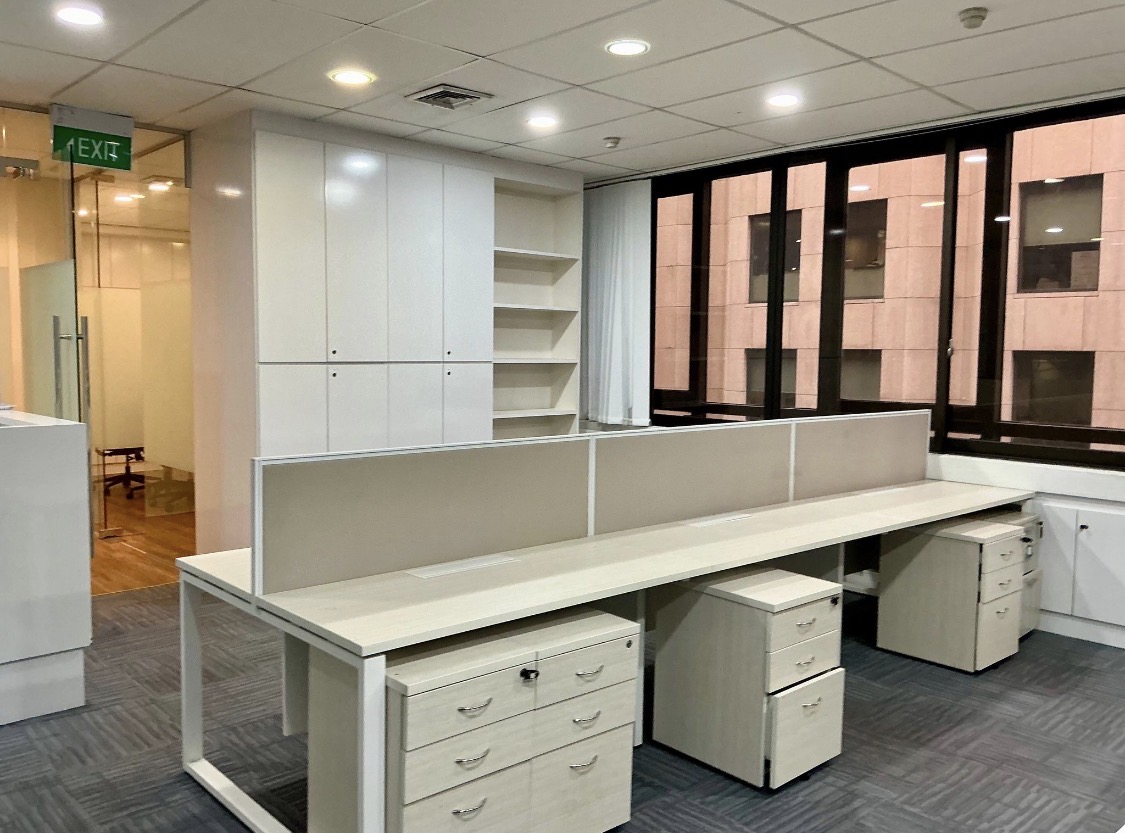
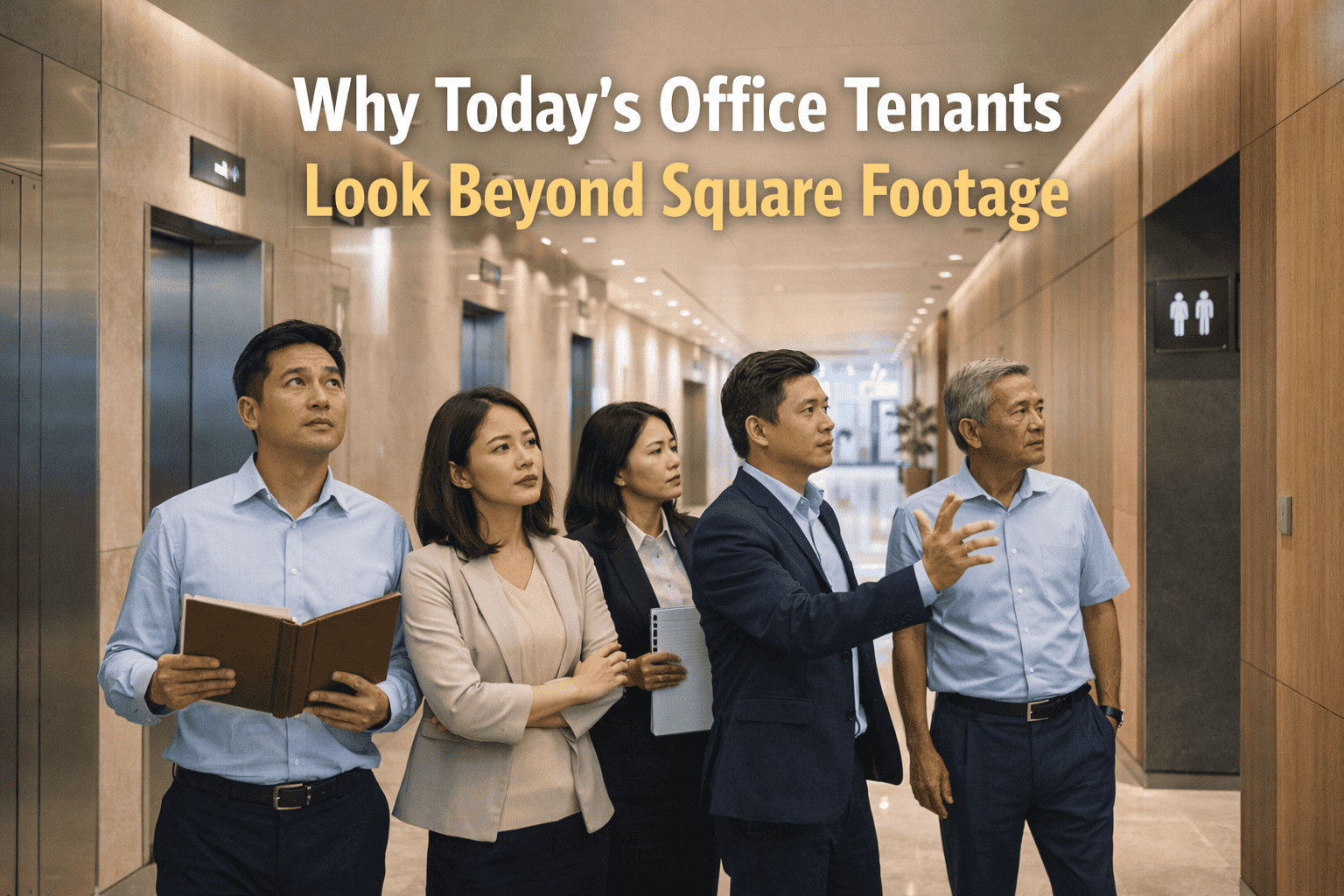
This week, I met with several office tenants across Singapore’s CBD.
One comment stayed with me.
A tenant’s wife looked at me and said:
“I don’t know why these boys keep going to the toilet to check.”
Then she smiled and added:
“But I think times have changed.”
And she was absolutely right.
Years ago, office viewings were largely about three things:
- Rental rate
- Location
- Size
Today, tenants are evaluating offices very differently.
They are paying attention to details that many people would have overlooked in the past.
Things like:
- The cleanliness of the toilets
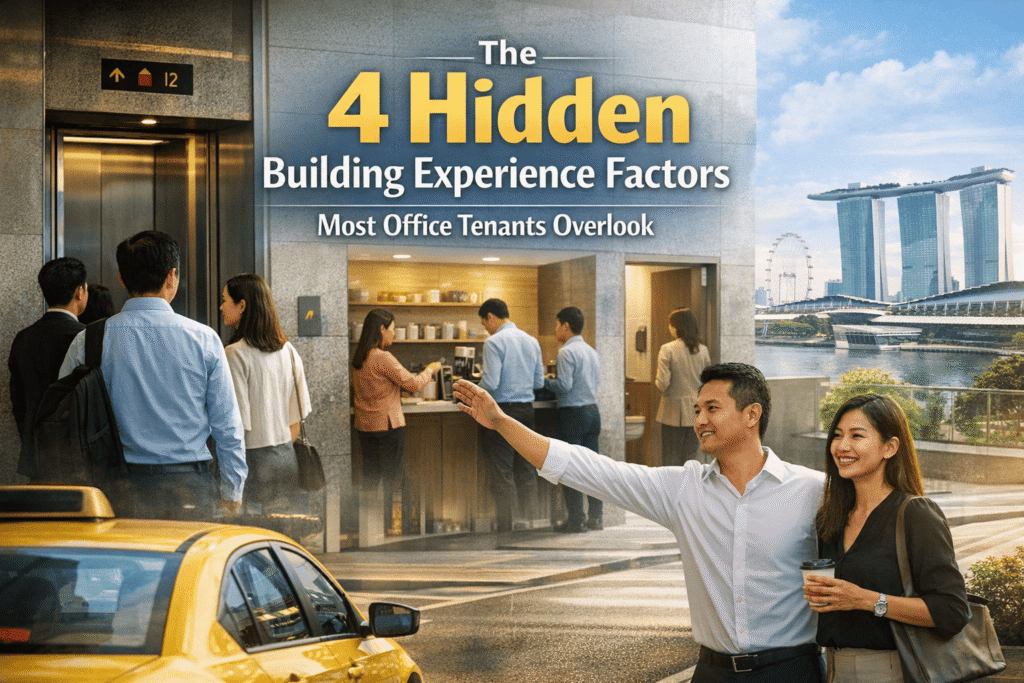
- The quality of the common areas
- The condition of the lift lobbies
- The experience visitors will have when they arrive
- The environment employees spend their day in
Interestingly, this applies to both men and women.
Office tenants today are becoming more intentional and more aware of how a workplace affects people.
The Office Is No Longer Just About Space
Traditionally, companies viewed office space as a necessary operating expense.
You needed desks.
You needed meeting rooms.
You needed somewhere for employees to work.
As long as the space was functional, that was often enough.
Today, that mindset is changing.
Companies increasingly recognise that the office influences:
- Employee experience
- Recruitment efforts
- Staff retention
- Client perception
- Company culture
The workplace has become an extension of the company’s brand.
When employees walk into the office every morning, the environment contributes to how they feel about the organisation.
When clients visit, the office becomes part of the company’s first impression.
As a result, tenants are looking beyond square footage and focusing more on overall workplace quality.
Hybrid Work Has Changed the Conversation
Another trend that continues to shape office decisions is hybrid work.
Many businesses today operate on arrangements such as:
- Three days in the office and two days working remotely
- Four days in the office and one day working remotely
At first glance, some people assumed hybrid work would eliminate the need for offices altogether.
That has not happened.
Instead, companies are rethinking what the office should be used for.
The office is no longer simply a place where employees sit at their desks.
It is increasingly becoming a place for:
- Collaboration
- Team discussions
- Problem solving
- Mentoring
- Relationship building
Many leaders tell me the same thing.
Some conversations simply work better when people are physically together.
Alignment happens faster.
Trust develops more naturally.
Culture becomes easier to build.
Technology enables communication.
But culture is still built through human interaction.
As the saying goes:
Teamwork still makes the dream work.
Quality Over Quantity
One interesting outcome of hybrid work is that many businesses are becoming more selective about the space they lease.
Rather than focusing on securing the largest office possible, companies are asking:
- What is the right size?
- How efficiently is the space used?
- Does the office support collaboration?
- Will employees enjoy coming here?
As a result, many businesses are willing to pay slightly higher rent for:
- Better-quality buildings
- More efficient layouts
- Stronger amenities
- Better employee experience
The goal is not necessarily to occupy more space.
The goal is to occupy better space.
Many tenants today are looking for offices that are:
- Not too large
- Not too small
- Just right for how their teams work today
Why Building Quality Matters More Than Ever
This shift also explains why factors such as building management and common facilities are receiving greater attention.
Tenants increasingly evaluate:
- Toilet cleanliness
- Air-conditioning performance
- Lift waiting times
- Common corridor conditions
- Building maintenance standards
These may seem like small details.
But they influence the daily experience of employees and visitors.
An office is not just the space inside the unit.
It is the entire experience from the moment someone enters the building.
The Future of Office Leasing
The office market continues to evolve.
Companies are becoming more thoughtful about the role that workplace strategy plays in business performance.
Instead of asking only:
“How much space do we need?”
Many tenants are now asking:
“What kind of workplace will help our people perform at their best?”
That is a very different conversation.
And it is changing how businesses choose office space across Singapore.
Key Takeaway
The modern office is no longer just a place to work.
It is a place where:
- Teams collaborate
- Culture develops
- Clients form impressions
- Employees experience the company every day
As hybrid work continues to shape workplace strategies, many businesses are prioritising quality over quantity.
They are looking beyond square footage and rental rates.
They are looking at the complete workplace experience.
Because ultimately, the best office is not always the biggest office.
It is the office that supports the way your people work today.
And perhaps that explains why so many tenants now check the toilets during office viewings.
Common FAQs
1. Why are office tenants paying more attention to building quality today?
Companies increasingly recognise that workplace quality affects employee satisfaction, client perception, recruitment, and retention.
2. Is hybrid work reducing demand for office space in Singapore?
Not necessarily. Many companies still require office space but are focusing on better utilisation and more efficient layouts rather than simply reducing space.
3. Why do tenants check common areas during office viewings?
Common areas such as toilets, lift lobbies, and corridors provide insight into how well a building is maintained and the daily experience employees will have.
4. Are companies taking smaller offices because of hybrid work?
Some are. Rather than paying for unused space, businesses are increasingly looking for offices that match their actual usage patterns.
5. What factors matter most besides rent and size?
Many tenants now evaluate:
- Building quality
- MRT accessibility
- Amenities
- Employee experience
- Common area condition
- Sustainability features
6. Does a better office environment help with hiring and retention?
Increasingly, yes. Employees often consider commute convenience, workplace quality, and office amenities when evaluating employers.
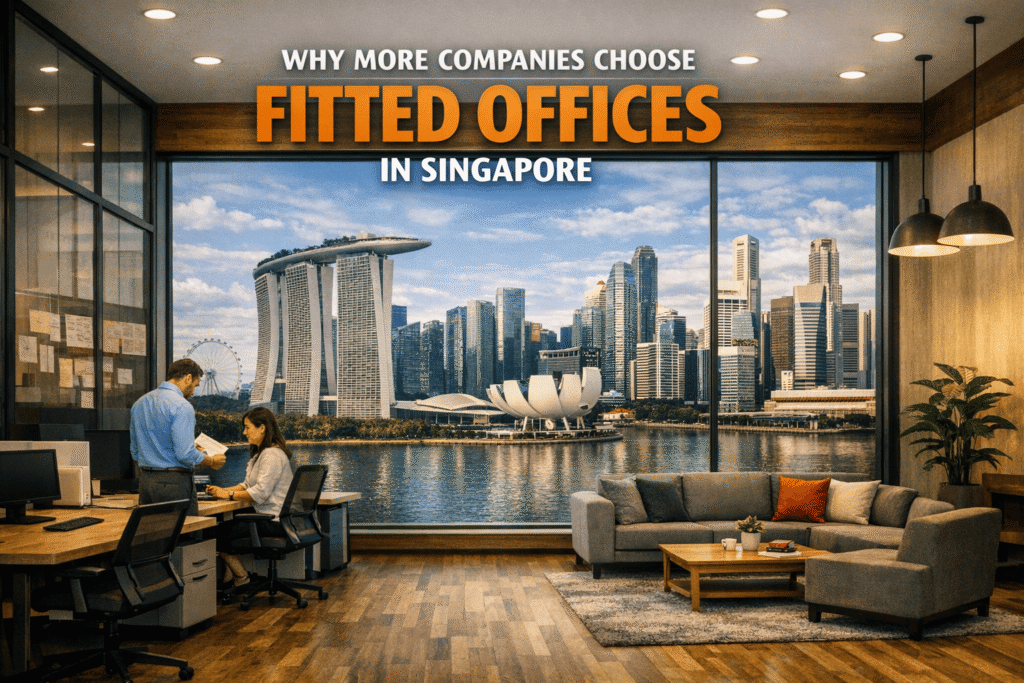
7. Why are fitted offices becoming more popular?
Fitted offices allow companies to move in faster, reduce renovation costs, and focus on business operations rather than managing construction projects.
8. How early should a company start searching for office space?
Ideally, businesses should begin their search 3–12 months before lease expiry, depending on their office size and operational requirements. Larger office requirements typically require earlier planning.