For many businesses in Singapore, moving out from a serviced office is an exciting milestone.
It usually means:
- The team is growing
- The business needs more control over its space
- The company is ready for a longer-term office setup
However, transitioning from a serviced office to a traditional office lease is also a major shift operationally and financially.
A traditional office gives you:
- More flexibility
- Better branding opportunities
- Potentially lower cost per employee
But it also comes with:
- Longer commitments
- Upfront costs
- Operational responsibilities that serviced offices typically handle for you
Before making the move, here are some important things to understand.
1. The Real Cost Is More Than Just Rent
One of the biggest adjustments is understanding that traditional office leasing involves many additional costs beyond monthly rent.
In a serviced office, most things are bundled into one fee.
In a traditional office, you may need to budget separately for:
- Utilities
- Internet and telecoms
- Office cleaning
- Furniture
- Renovation and fit-out
- Security deposit
- Legal and administrative fees
There may also be:
- Reinstatement costs at lease end
- Additional air-conditioning charges after office hours
Many companies underestimate these costs during the transition.
2. Space Planning Becomes Your Responsibility
In a serviced office, the layout is already planned for you.
With a traditional office, you need to think about:
- Workstations
- Meeting rooms
- Collaboration areas
- Storage
- Pantry requirements
You also need to plan for:
- Future expansion
- Team growth
- Hybrid work arrangements
Taking too much space increases costs.
Taking too little creates operational stress later.
The goal is to choose a space that supports both current operations and future flexibility.
3. Lease Commitment Is Much Longer
Serviced offices offer flexibility through:
- Shorter terms
- Easier renewals
- Simpler exits
Traditional office leases in Singapore are commonly:
- 2 to 3 years
- Sometimes longer for larger spaces
This means businesses must think carefully about:
- Growth plans
- Financial stability
- Long-term operational needs
A traditional lease is a much bigger commitment compared to a serviced office arrangement.
4. You Need to Understand Tenancy Agreement Clauses
Many companies moving out from serviced offices are unfamiliar with the details inside a commercial tenancy agreement.
Key clauses to review include:
Reinstatement Obligations
At the end of the lease, tenants are usually required to return the office to its original condition.
Security Deposit
Landlords typically require multiple months of rental as a deposit.
Renewal Terms
Renewal rental rates are usually subject to market conditions rather than fixed upfront.
Redevelopment Clauses
Some leases allow landlords to terminate the lease early for redevelopment purposes, usually with a minimum notice period depending on the tenancy agreement.
Understanding these clauses early helps avoid surprises later.
5. Fitted Offices vs Bare Units
One important decision is whether to take:
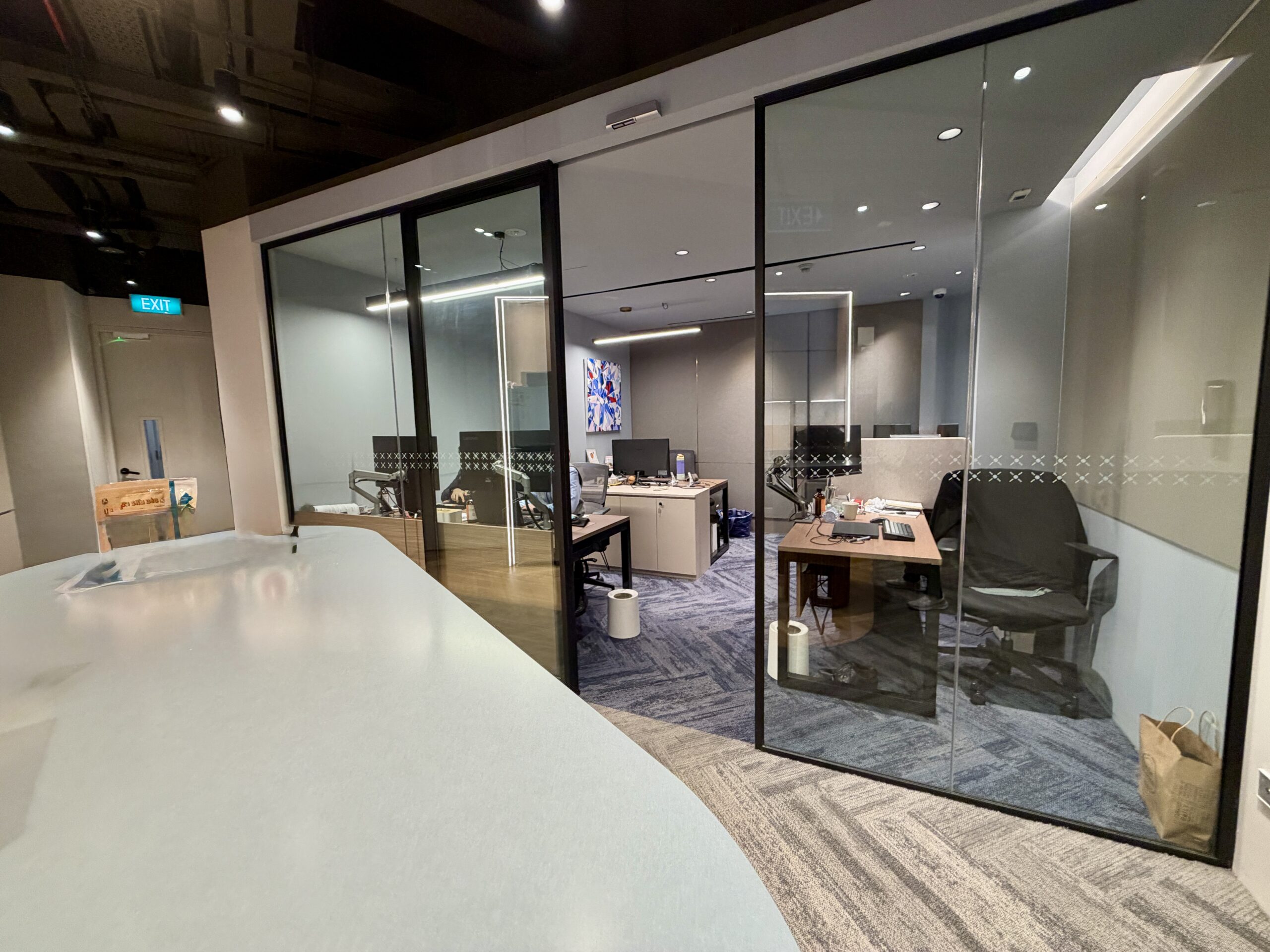
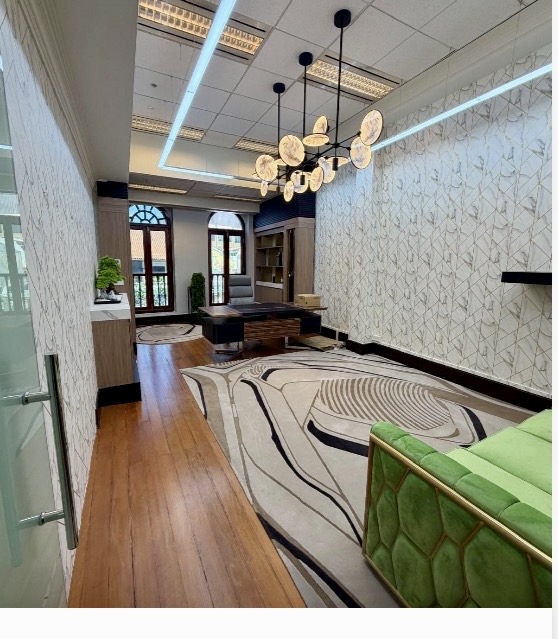
- A fitted office
- A partially fitted office
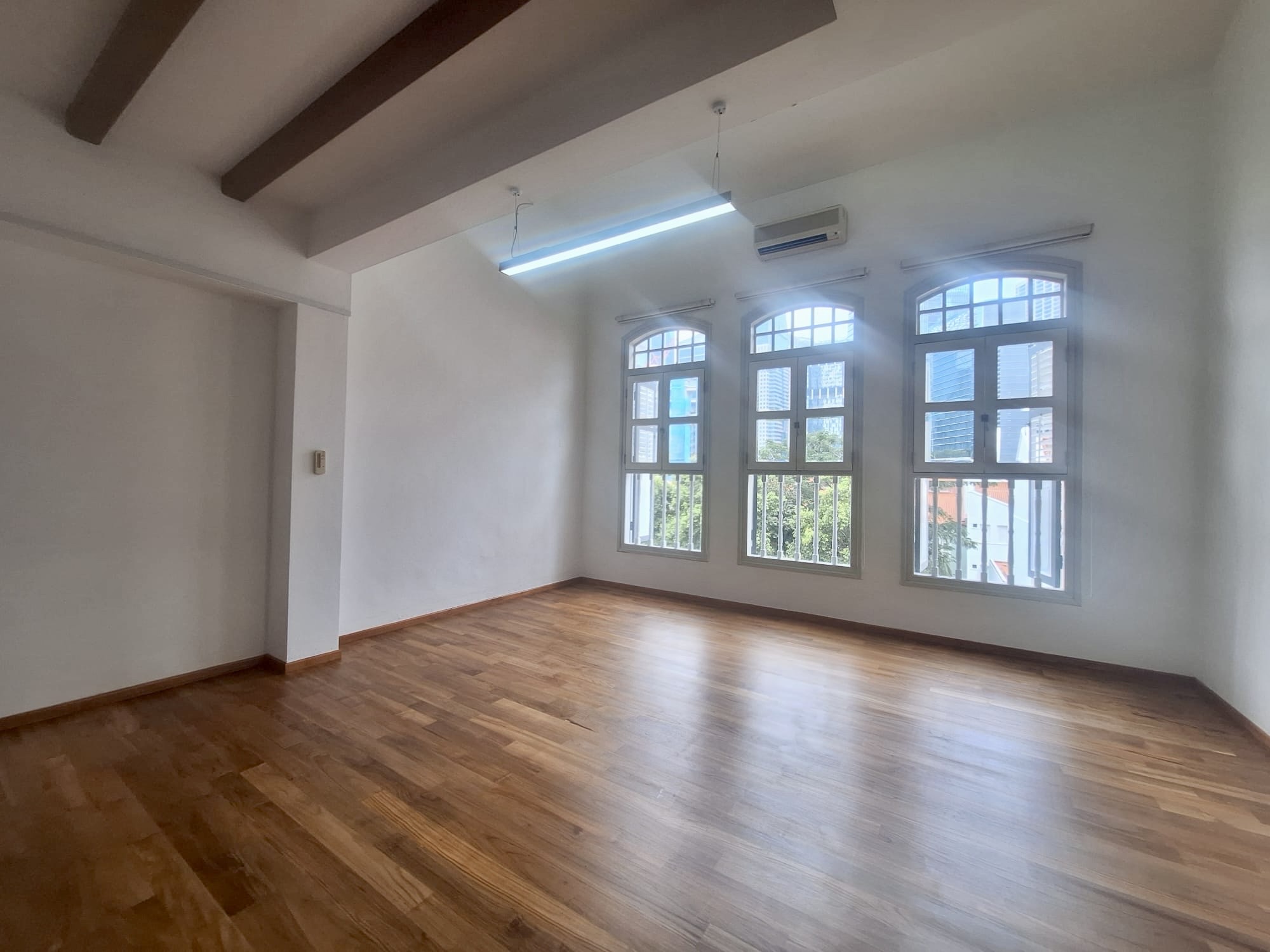
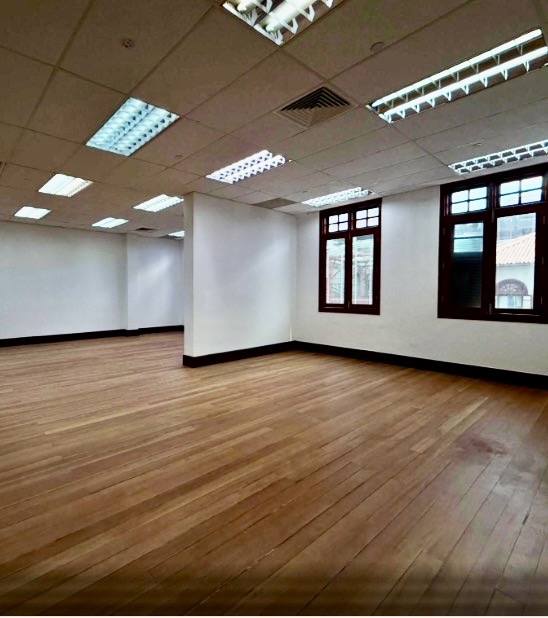
- A bare unit
Fitted Offices
Advantages:
- Faster move-in
- Lower upfront renovation cost
- Less project management required
Disadvantages:
- Layout may not fully suit your team
- Limited customisation
Bare Units
Advantages:
- Full control over branding and layout
- Better long-term customisation
Disadvantages:
- Higher upfront cost
- Longer setup timeline
The right choice depends on:
- Budget
- Timeline
- Operational needs
6. Building Quality Matters More Than You Think
In a serviced office, building management and daily operations are often handled seamlessly for tenants.
In a traditional office, you become much more aware of:
- Lift congestion
- Air-conditioning systems
- MRT walking distance
- Building maintenance quality
- Common area condition
These factors directly affect:
- Employee experience
- Client perception
- Daily productivity
A cheaper office may not necessarily be better value if the operational experience is poor.
7. Budgeting Needs to Be More Conservative
Many businesses upgrading from serviced offices focus only on whether they can afford the monthly rent.
A better question is:
“Can the business comfortably sustain the full occupancy cost over the lease period?”
Traditional offices involve:
- Larger deposits
- Upfront setup costs
- Longer commitments
It is important to leave room for:
- Hiring
- Expansion
- Business fluctuations
The office should support growth—not create financial pressure.
8. Start the Search Earlier Than You Think
Finding the right traditional office usually takes longer than expected.
The process may involve:
- Space planning
- Internal approvals
- Lease negotiations
- Renovation planning
- IT and infrastructure setup
Ideally, companies should start planning:
- Around 3–12 months before move-in
- Earlier for larger office requirements
Rushed decisions often lead to:
- Poor layout choices
- Budget overruns
- Limited negotiation flexibility
Key Takeaway
Moving out from a serviced office into a traditional office lease is an important step for a growing business.
While it offers:
- Greater control
- Better branding opportunities
- Potentially better long-term value
It also comes with:
- Higher responsibility
- Larger financial commitments
- Operational planning requirements
The key is to approach the transition realistically:
- Understand the full costs
- Plan space carefully
- Review lease terms thoroughly
- Avoid over-committing financially
A well-planned move can create a much stronger foundation for long-term business growth.
Frequently Asked Questions (FAQs)
1. Is moving from a serviced office to a traditional office cheaper?
Not always initially. Traditional offices often involve higher upfront costs, but may offer better long-term cost efficiency depending on team size.
2. What is the biggest surprise for companies moving into traditional offices?
Usually the additional costs beyond rent, such as renovation, deposits, utilities, and reinstatement obligations.
3. Should I choose a fitted office or a bare unit?
It depends on your budget, timeline, and operational needs. Fitted offices reduce setup time, while bare units offer greater flexibility.
4. How long are traditional office leases in Singapore?
Typically 2–3 years, sometimes longer for larger spaces.
5. What is reinstatement?
Reinstatement refers to returning the office to its original condition at the end of the lease, unless otherwise agreed with the landlord.
6. How early should I start searching for office space?
Ideally 3–12 months before your intended move date, depending on office size and complexity.
7. Can traditional offices support hybrid work arrangements?
Yes, but space planning becomes important to avoid overcommitting on unused space.
8. What should I prioritise besides rent?
Building quality, accessibility, layout efficiency, employee experience, and long-term sustainability should all be considered alongside rental cost.