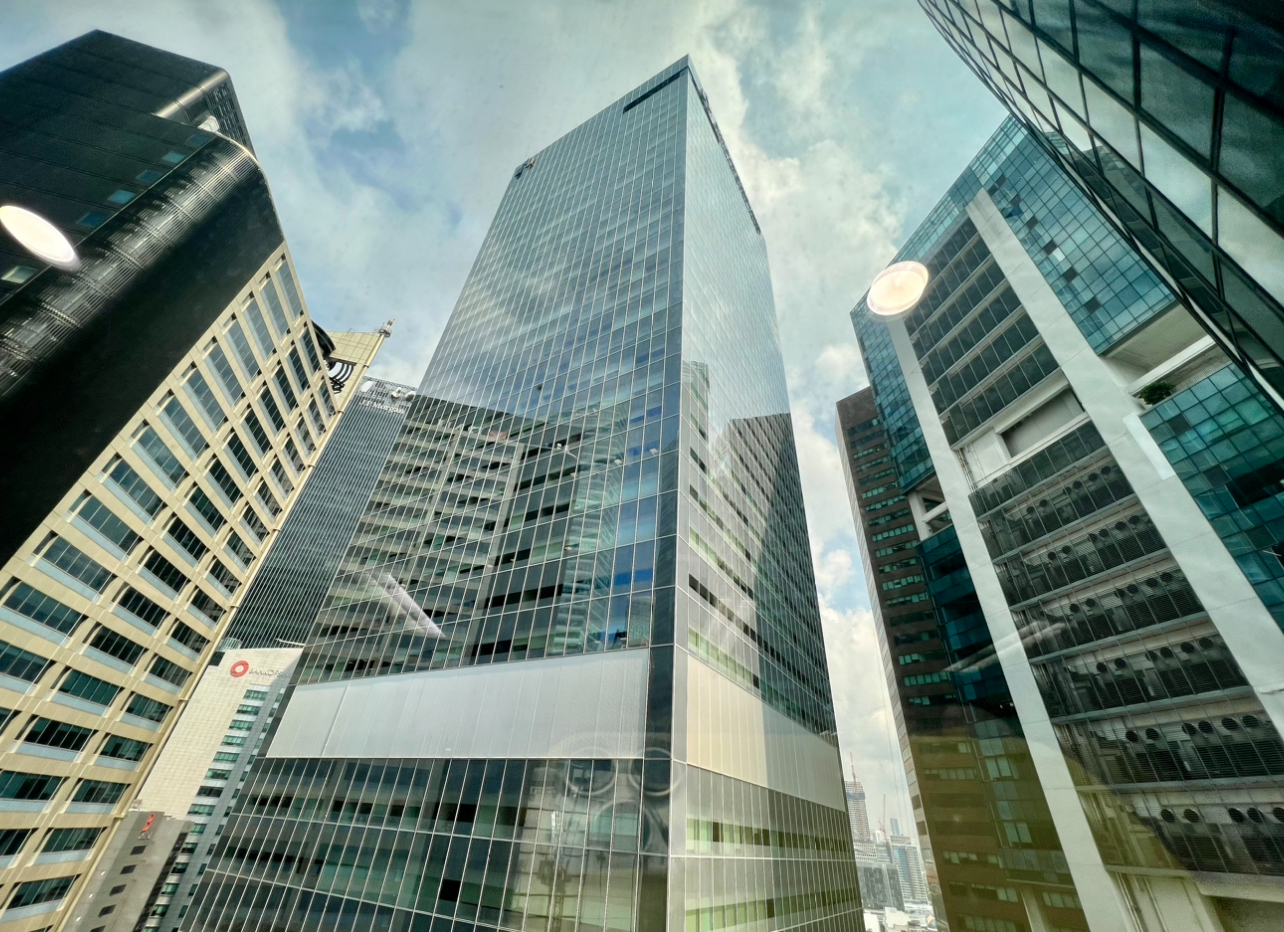
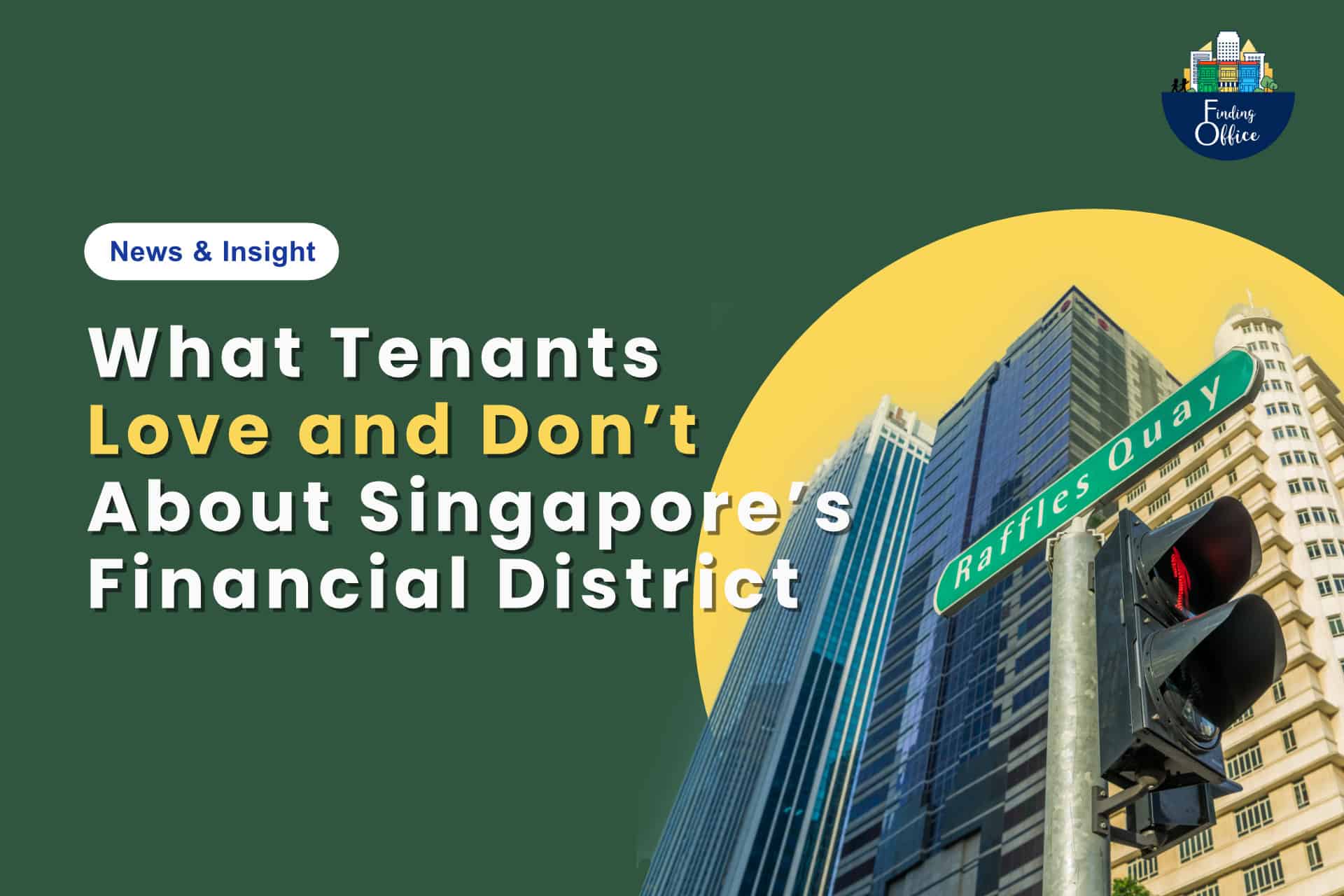
Singapore’s financial district—covering areas like the CBD, Raffles Place, and Marina Bay—is one of the most sought-after office locations in the region.
For many businesses, securing an office here is seen as a milestone. It offers prestige, connectivity, and proximity to key clients. However, it also comes with practical considerations that every tenant should understand before committing to a lease.
So what is it really like to work here? Below is a balanced look at what tenants love—and what they sometimes find challenging.
What Tenants Love
1. Prestige and Brand Positioning
Having an office in areas such as Raffles Place or Marina Bay sends a strong message to clients and partners.
It signals:
- Credibility
- Stability
- Market presence
For industries like finance, legal, and consulting, location can play a key role in client perception and trust.
2. Excellent Connectivity
The financial district is one of the best-connected areas in Singapore.
MRT stations such as Raffles Place MRT Station, Downtown MRT Station, and Telok Ayer MRT Station provide access to multiple lines.
Benefits include:
- Easier commuting for employees
- Reduced reliance on cars
- Access from different parts of Singapore
This is a major advantage when it comes to hiring and retention.
3. Abundance of Food and Amenities
The CBD is surrounded by:
- Hawker centres
- Cafés
- Restaurants
- After-work venues
Areas like Tanjong Pagar and Boat Quay offer a wide variety of dining and lifestyle options.
For employees, this means:
- Convenient lunch options
- More vibrant work environment
- Better overall daily experience
4. Proximity to Clients and Business Partners
Many companies choose to be in the financial district because:
- Meetings are easier to arrange
- Travel time between offices is shorter
- Networking opportunities increase
For client-facing businesses, this convenience can improve efficiency and relationship-building.
5. High-Quality and Sustainable Office Buildings
The financial district offers some of Singapore’s most premium and well-maintained office buildings, many of which are green-certified under Singapore’s Green Mark scheme.
These buildings typically feature:
- Energy-efficient air-conditioning systems
- Better indoor air quality
- Sustainable building materials
- Smart building technologies
For tenants, this translates to:
- A more comfortable working environment
- Alignment with ESG and sustainability goals
- Positive brand perception among clients and employees
Increasingly, companies are placing importance on sustainable office spaces, and being in a Green Mark-certified building can support both environmental and corporate objectives.
What Tenants Don’t Always Love
1. Higher Rental Costs
One of the biggest challenges is cost.
CBD offices typically command higher rental rates compared to decentralised locations. This can significantly impact:
- Operating budgets
- Expansion plans
- Long-term commitments
Tenants need to assess whether the location benefits justify the higher cost.
2. Peak Hour Congestion
While connectivity is excellent, the financial district can become crowded during peak hours.
Common issues include:
- Busy MRT trains
- Lift congestion during office hours
- Crowded lunch spots
This can affect the day-to-day employee experience, especially in larger buildings.
3. Limited Parking and Higher Costs
Parking in the financial district is typically:
- Limited
- More expensive
This may be less convenient for:
- Senior management
- Client visits
- Employees who drive
4. Less Space for the Same Budget
Due to higher rental rates, tenants in the financial district often need to:
- Take smaller office spaces
- Optimise layouts more efficiently
- Compromise on expansion flexibility
For the same rental budget, companies can usually secure larger office spaces in suburban or decentralised locations compared to the financial district.
This is one of the key trade-offs tenants must consider when choosing between a central location and space requirements.
5. Competitive Leasing Environment
Prime office units in the financial district tend to move quickly.
This means:
- Limited availability of ideal spaces
- Less room for negotiation
- Faster decision-making required
Tenants often need to plan earlier and act quickly when suitable units become available.
Is the Financial District Right for Your Business?
The financial district is ideal for companies that:
- Value brand positioning and prestige
- Require frequent client meetings
- Want strong accessibility for employees
- Prioritise sustainable and high-quality office environments
However, it may not be the best fit for businesses that:
- Prioritise cost efficiency
- Require larger office spaces
- Have less need for a central location
Ultimately, the decision should align with both business strategy and workforce needs.
Key Takeaway
Working in Singapore’s financial district offers strong advantages in terms of:
- Prestige and branding
- Connectivity
- Amenities and convenience
- Access to high-quality, sustainable office buildings
However, these benefits come with trade-offs such as:
- Higher rental costs
- Smaller space for the same budget
- Peak-hour congestion
For tenants, the key is to evaluate whether the location supports:
- Hiring and retention
- Business operations
- Sustainability goals
- Long-term growth
A well-chosen office location should not just look impressive—it should function effectively for your team and align with your business priorities.
Common FAQs
1. Is it worth paying higher rent for a CBD office in Singapore?
It depends on your business needs. For client-facing industries, the prestige and convenience may justify the cost. For others, decentralised locations may offer better value.
2. Are CBD offices better for hiring?
Generally yes. Locations with strong MRT connectivity and surrounding amenities tend to attract a wider pool of candidates.
3. What is a Green Mark building?
A Green Mark building is certified under Singapore’s sustainability rating system, indicating that the building meets certain environmental and energy-efficiency standards.
4. What costs should I consider when relocating?
Yes. Due to higher rental rates, tenants often get less space in the financial district. For the same rental budget, companies can typically secure larger office spaces in suburban or decentralised locations.
5. How early should I start looking for a CBD office?
Ideally, start 3–12 months before lease expiry, depending on your office size. Larger spaces require earlier planning.
6. Is congestion a serious problem?
7. Do CBD offices help with company image?
Yes. A financial district address can enhance credibility and strengthen brand perception.
8. Can SMEs afford offices in the financial district?
Yes, especially with smaller units or fitted offices. However, careful budgeting is important to ensure sustainability.